Kindergarten Number Chart: Building Strong Numeracy Foundations
Introducing numbers to young learners is one of the most rewarding steps in early education. A kindergarten number chart—often called a hundreds chart—offers a visual, hands‑on way for children ages 4‑6 to explore counting, patterns, and basic arithmetic. This guide explains why the chart is essential, how to use it effectively, and where to find supportive resources such as ABCmouse and MightyOwl.
What Is a Kindergarten Number Chart?
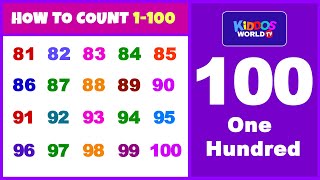
A kindergarten number chart is a grid that displays numbers in order, typically from 1 to 100. The numbers are arranged in rows of ten, creating a clear visual pattern that children can trace with their fingers or a pointer. Some charts extend to 120, giving extra space for activities that involve larger sequences or skip‑counting.
Why a Number Chart Works for Young Minds
- Develops number sense: Seeing numbers side‑by‑side helps children understand “before” and “after,” as well as the concept of magnitude.
- Supports counting fluency: Repeatedly pointing to each cell reinforces one‑to‑one correspondence, a key early‑reading skill.
- Introduces math vocabulary: Words like greater than, less than, skip‑count, and pattern become meaningful when anchored to a visual chart.
- Encourages problem‑solving: Simple challenges—such as “find the missing number” or “how many squares are shaded?”—turn the chart into a playground for logical thinking.
Getting Started: Simple Activities for the First Weeks
- Number identification: Ask the child to point to a spoken number (“Show me 23”). This builds quick recognition.
- Counting forward and backward: Start at 1 and move across the first row, then reverse direction at the end of each row.
- Color‑coding: Use crayons or stickers to color every fifth number. This visual cue highlights the 5‑skip pattern.
- “What’s missing?” game: Cover a few cells, read the sequence aloud, and have the child fill in the blanks.
These activities require only the chart and a few everyday supplies, making them perfect for classroom circles or home learning corners.
Extending Learning: Patterns, Skip‑Counting, and Simple Addition
Once children are comfortable with basic counting, the chart can support more advanced concepts.
- Skip‑count by 2s, 5s, and 10s: Highlight every second, fifth, or tenth cell. Children chant the numbers aloud, reinforcing multiplication foundations.
- Even‑odd identification: Shade all even numbers in one color and odd numbers in another. Discuss why each group behaves differently.
- Simple addition: Place a token on a starting number, then move it forward the number of steps indicated by a second number. The landing cell reveals the sum.
- Pattern spotting on a 120‑cell chart: Extend the grid to 12 rows of 10. Ask, “What comes next after 27, 34, 41?” Children discover the +7 pattern.
Integrating Digital Resources
While a physical chart is invaluable, digital tools can reinforce the same concepts with interactive feedback.
- ABCmouse: The award‑winning online program for children 2–8 offers animated number‑chart activities that let kids tap, drag, and hear number names. Explore more at ABCmouse.com/LearnMore.
- MightyOwl: This site provides printable charts, worksheets, and video lessons featuring characters like Will who guide learners through counting adventures. Visit MIGHTYOWL.COM for the full experience.
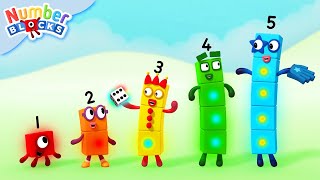
- Numberblocks: The colorful YouTube series blends storytelling with math, showing how blocks combine to form larger numbers. A quick search for “Numberblocks hundred chart” yields engaging videos that complement hands‑on practice.
Classroom and Home Tips for Success
Consistency and enthusiasm are key. Here are practical suggestions for teachers and parents:
- Display the chart prominently: Hang it at child height on a wall or easel so it becomes a daily reference.
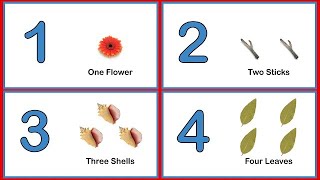
- Use real objects: Count blocks, beads, or snack items and place them on the corresponding chart squares.
- Incorporate movement: Have children hop to the correct number on a floor‑mounted chart, turning math into a kinesthetic activity.
- Celebrate milestones: When a child masters counting to 100, mark the achievement with a “Number Champion” badge or a short video celebration.
Addressing Common Questions
Do I need a 100‑cell chart for a kindergarten class? A 100‑cell chart is the most common because it aligns with the standard curriculum, but a 120‑cell version works well for extended pattern work.
How often should I use the chart? Short, daily sessions (5‑10 minutes) are more effective than occasional long lessons. Frequent exposure builds confidence.
Can the chart help with other subjects? Yes. Teachers often use the grid for simple data collection (e.g., tallying favorite fruits) or for arranging story sequencing cards.
Conclusion: A Simple Tool with Big Impact
A kindergarten number chart is more than a printed grid; it is a gateway to mathematical thinking. By combining tactile interaction, visual patterns, and supportive digital resources like ABCmouse and MightyOwl, educators can nurture a love of numbers that lasts throughout a child’s academic journey. Start with basic counting, layer in skip‑counting and simple addition, and watch confidence grow—one square at a time.