Instructional Writing Sample: A Practical Guide for Teachers
Instructional writing, also known as procedural or how‑to writing, is a core literacy skill that helps students convey clear, step‑by‑step directions. Whether they are drafting a recipe, a classroom experiment, or a simple daily routine, mastering this form of writing builds confidence, logical thinking, and communication precision. This article provides a fantastic set of strategies, resources, and sample activities you can use to teach your students the proper way to create instructional texts.
What Is Instructional Writing?
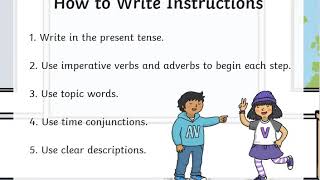
Instructional writing is a genre that explains how to complete a task or achieve a goal. Key characteristics include:
- Clear, concise language
- Imperative verbs (e.g., “cut,” “mix,” “press”)
- Logical sequencing with time connectives such as “first,” “next,” “finally”
- Optional visual aids like diagrams or pictures
Examples range from cooking recipes and science experiment guides to classroom instructions and digital tutorials.
Why Teach Instructional Writing?
Developing this skill offers several benefits:
- Clarity of thought: Students learn to break complex ideas into manageable steps.
- Problem‑solving: Planning a sequence of actions strengthens logical reasoning.
- Communication confidence: Clear instructions are useful in everyday life and future workplaces.
- Cross‑curricular links: The genre supports science, maths, art, and digital literacy.
How to Teach Instructional Writing in the Classroom
1. Introduce the Concept
Start with a short discussion: “What makes a good set of directions?” Show real‑world examples such as a simple recipe card or a user manual. Highlight the features listed above and ask students to identify them.
2. Model the Process
Choose a familiar task—making a paper airplane, for instance. Write the instructions on the board while thinking aloud. Emphasise the use of imperative verbs and time connectives. This visual model demonstrates the structure students will later replicate.
3. Guided Practice
Provide a worksheet that includes a partially completed template:
Title: ______________________ Materials needed: ______________________ Steps: 1. ______________________ 2. ______________________ 3. ______________________Work through the first two steps together, then let pairs finish the remaining steps. Circulate to offer immediate feedback.
4. Independent Writing
Assign a simple, age‑appropriate task. For Year 1 or KS1 students, suggestions include:
- How to tie shoelaces
- How to make a fruit salad
- How to set a classroom table
Encourage students to add drawings or icons to support their text, reinforcing the clear and accurate nature of instructional writing.
5. Peer Review and Revision
Use a checklist for peer editing. The checklist might contain items such as:
- Does each step start with an imperative verb?
- Are the steps in logical order?
- Is the language simple and precise?
- Are any necessary materials listed?
Students exchange papers, mark any missing elements, and then revise their work accordingly.
Sample Instructional Writing Prompt
Title: How to Plant a Bean Seed
- Gather a small pot, soil, a bean seed, and a watering can.
- Fill the pot with soil, leaving about one centimetre from the top.
- Make a small hole two centimetres deep in the centre of the soil.
- Place the bean seed gently into the hole.
- Cover the seed with soil and press lightly.
- Water the soil until it is damp but not soggy.
- Place the pot in a sunny spot and check the soil daily.
- When the sprout appears, continue to water lightly each day.
This example demonstrates the essential structure and language that students should aim for.
Assessment Strategies
When evaluating instructional writing, consider both product and process:
- Rubric criteria: completeness, sequencing, language accuracy, and visual support.
- Observation notes: note how students plan, draft, and revise.
- Self‑assessment: have learners rate their own work using the same checklist.
Differentiation for Diverse Learners
To meet the needs of all students, adapt the activity as follows:
- For emerging readers: Provide sentence starters (“First, …”) and picture cues.
- For advanced writers: Challenge them to write multi‑step instructions for a simple experiment.
- For EAL pupils: Offer bilingual glossaries of key imperative verbs.
This Week in Literacy
During the upcoming literacy block, the children will be:
- Exploring the purpose of instructional texts.
- Practising the “think‑pair‑share” model to generate ideas.
- Creating their own instructional posters for a classroom routine.
These activities align with the national KS1 writing objectives and keep learning hands‑on and relevant.
Resources and Materials
To streamline planning, consider using the following tools:
- Templates: Printable worksheets with headings for title, materials, and steps.
- Checklists: Simple one‑page guides for self‑ and peer‑assessment.
- Digital options: Interactive whiteboard templates that allow students to drag and drop steps.
For a ready‑made collection of templates, visual aids, and printable resources, visit my Shopify Store. The store offers a simple yet very effective method to teach basic instructional writing to Year 1 and KS1 classes.
Final Thoughts
Instructional writing is more than a classroom task; it equips learners with a lifelong skill for clear communication. By following the step‑by‑step approach outlined above, you can teach your Year 1, KS1, 1st Grade students how to produce clear and accurate instructions, assess their progress, and celebrate their achievements. Incorporate visual supports, use the provided checklists, and explore the resources available at teacher‑val.com to make your lessons engaging and effective.