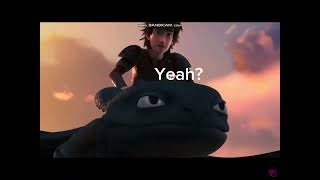
Understanding How to Train Your Dragon: Race to the Edge
How to Train Your Dragon: Race to the Edge serves as a critical bridge in the beloved DreamWorks franchise. Positioned chronologically between the first and second feature films, this series expands the lore of the Archipelago, delving deeper into the bond between humans and dragons while introducing new threats and allies.
The series follows Hiccup and his friends as they venture beyond the shores of Berk to explore the unknown. Their journey leads to the creation of "The Edge," a strategic outpost designed to protect the dragon sanctuary and study new species. This transition from a small village mentality to a wider world perspective is central to the character development seen throughout the show.
Key Plot Elements and World Building
Unlike the movies, which focus on major cinematic milestones, Race to the Edge focuses on the gradual discovery of the dragon world. The narrative introduces several core elements that enrich the story:
- New Dragon Species: The series introduces a variety of dragons, each with unique abilities and temperaments, expanding the "Dragon Manual" and challenging Hiccup's understanding of dragon behavior.
- The Dragon Eye: A central plot device, the Dragon Eye is an ancient artifact that reveals hidden information about dragon species and secret locations, driving the exploration aspect of the series.
- The Dragon Riders: The bond between the core group—Hiccup and Toothless, Astrid and Stormfly, Fishlegs and Meatlug, Snotlout and Hookfang, and the Tuffins and Barf and Belch—is tested through teamwork and strategic combat.
Character Evolution and Growth
One of the strongest aspects of Race to the Edge is the maturity it brings to the protagonists. Hiccup evolves from a rebellious teen into a capable leader, learning that leadership requires more than just innovation—it requires diplomacy and the ability to make difficult choices for the greater good.
The supporting cast also receives significant development. Astrid emerges as a fierce strategist, while Fishlegs provides the intellectual foundation for their discoveries. Even the comedic relief provided by Ruffnut and Tuffnut adds layers to the group dynamic, showing that their chaotic nature can occasionally be an asset in unpredictable battle scenarios.
The Antagonists and Conflict
The conflict in the series shifts from the internal struggle of Berk's traditions to external threats. The introduction of the Dragon Hunters adds a darker tone to the series. These villains view dragons as commodities rather than companions, creating a moral clash that emphasizes the theme of coexistence.
The struggle against the hunters forces the riders to develop advanced tactics. They are no longer just flying for fun; they are engaging in strategic warfare to liberate captured dragons and protect their sanctuary. This shift in stakes prepares the audience for the larger conflicts presented in the second movie.
Why the Series Remains Popular
The enduring appeal of How to Train Your Dragon: Race to the Edge lies in its ability to balance action with emotional depth. Fans often revisit the series to appreciate the nuances of the friendships and the breathtaking animation of the flight sequences.
Furthermore, the series creates a sense of adventure that resonates with viewers of all ages. The exploration of uncharted islands and the mystery of the Dragon Eye evoke a feeling of discovery that complements the overarching theme of growth.
Conclusion
How to Train Your Dragon: Race to the Edge is more than just a spin-off; it is an essential chapter in the saga. By filling the chronological gap between the films, it provides necessary context for the characters' growth and the world's expansion. Whether you are a long-time fan of the movies or a newcomer to the franchise, the series offers a comprehensive look at what it truly means to train a dragon and lead a revolution of peace in a world filled with conflict.