How to Make Yeast Pancakes: A Step‑by‑Step Guide
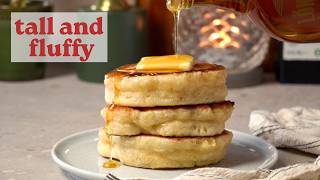
Yeast pancakes are a delightful twist on the classic breakfast favorite. Their light, airy crumb comes from a fermented batter that rises slowly, creating a texture somewhere between a fluffy pancake and a soft crêpe. Whether you’re feeding a family, impressing brunch guests, or simply craving something new, this guide will walk you through everything you need to know to master yeast pancakes at home.
What Makes Yeast Pancakes Different?
Traditional pancakes rely on chemical leaveners—baking powder or baking soda—to create bubbles during cooking. Yeast pancakes, on the other hand, use active dry yeast as a biological leavener. The yeast feeds on sugars in the batter, producing carbon dioxide and a subtle tang that adds depth of flavor. The result is a pancake that is:
- Light and airy, with a tender crumb
- Slightly tangy, similar to a very mild sourdough
- Easy to digest, because the fermentation process begins breaking down gluten
Ingredients (Makes About 12‑15 Pancakes)
- 1 cup warm milk (105°F‑115°F)
- 2 tsp active dry yeast
- 2 tbsp granulated sugar
- 3 cups all‑purpose flour
- ¼ tsp salt
- 2 large eggs, room temperature
- 2 tbsp melted butter (plus extra for the pan)
- Optional flavor boosters: 1 tsp vanilla extract, ½ tsp ground cinnamon, or zest of one lemon
Equipment You’ll Need
- Large mixing bowl
- Whisk or wooden spoon
- Measuring cups and spoons
- Non‑stick skillet or griddle
- Spatula
- Clean kitchen towel or plastic wrap
Step‑by‑Step Instructions
- Activate the yeast. In a large bowl, combine the warm milk, yeast, and a pinch of the sugar. Stir gently and let sit 5‑10 minutes until the mixture becomes frothy. This signals that the yeast is alive and ready.
- Mix dry ingredients. Add the remaining sugar, flour, and salt to the bowl. Stir until just combined; the batter will look shaggy.
- Incorporate wet ingredients. Beat in the eggs, melted butter, and any optional flavorings. Mix until the batter is smooth and free of lumps.
- Knead briefly. Turn the batter onto a lightly floured surface and knead for 3‑5 minutes. This develops a little gluten, giving the pancakes structure while still keeping them tender.
- First rise. Lightly oil the mixing bowl, place the dough inside, cover with a clean towel or plastic wrap, and let it rise in a warm spot for 1‑2 hours, or until doubled in size.
- Preheat the pan. Heat a non‑stick skillet over medium heat and melt a thin layer of butter. The surface should sizzle lightly when a drop of water hits it.
- Cook the pancakes. Using a ¼‑cup measure, pour batter onto the skillet. Cook 2‑3 minutes until bubbles form on the surface and the edges look set. Flip and cook another 1‑2 minutes until golden brown.
- Keep warm. Transfer finished pancakes to a warm oven (200°F) while you finish the batch. This prevents them from cooling too quickly.
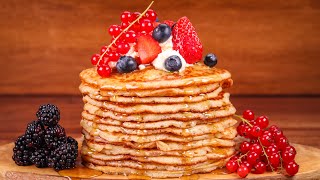
- Serve. Serve immediately with butter, maple syrup, fresh berries, or a dollop of Greek yogurt. For a savory twist, top with smoked salmon and a drizzle of dill‑infused cream.
Printable Recipe
Need a handy reference while you cook? Print the full recipe and keep it on your kitchen counter.
Tips for Perfect Yeast Pancakes
- Temperature matters. Milk that’s too hot can kill the yeast; too cold will slow the rise. Aim for 105°F‑115°F.
- Use fresh yeast. Yeast loses potency over time. Check the expiration date and store it in the refrigerator.
- Don’t rush the rise. A full hour or two gives the batter time to develop flavor and lift.
- Adjust consistency. If the batter feels too thick after the first rise, stir in a tablespoon of milk at a time until it spreads easily.
- Flavor variations. Add blueberries, sliced bananas, or chopped nuts to the batter just before cooking for extra texture.
Nutritional Snapshot (Per Pancake, Approx.)
- Calories: 110‑130
- Protein: 4 g
- Carbohydrates: 18 g
- Fat: 4 g (mostly from butter)
- Fiber: 1 g
These values will vary based on toppings and any optional add‑ins.
Frequently Asked Questions
- Can I use instant yeast? Yes. Use the same amount, but reduce the activation time; the yeast will dissolve directly into the batter.
- What if my batter doesn’t rise? The yeast may be dead or the temperature was too low. Try a fresh packet of yeast and ensure the milk is warm, not hot.
- Can I make the batter ahead of time? Absolutely. The batter can be prepared the night before, refrigerated, and allowed to come to room temperature before the final rise.
- Is gluten‑free possible? Substitute the all‑purpose flour with a 1‑to‑1 gluten‑free blend that contains xanthan gum. The texture will be slightly different but still enjoyable.
Side Note: Travel & Shopping Deals
If you’re planning a weekend getaway after brunch, check out travel deals on flights and hotels. And for kitchen gadgets or pantry staples, you can find up to 70 % off electronics and appliances on Amazon during seasonal sales.
Where to Find More Recipes
For additional breakfast ideas, savory brunch plates, and dessert inspirations, visit the following sites:
- Full recipes and cooking tutorials
- Printable recipes and meal plans
Final Thoughts
Yeast pancakes combine the comforting familiarity of a classic breakfast with the subtle complexity of fermented dough. By following the steps above, paying attention to temperature, and allowing the batter to rise fully, you’ll create pancakes that are light, flavorful, and perfect for any occasion. Pair them with your favorite toppings, serve them hot, and enjoy the satisfaction of a homemade treat that’s a little bit different—and a lot delicious.