How To Make Wine: A Step‑by‑Step Guide for Beginners
Making wine at home can be a rewarding hobby that lets you control flavor, quality, and style. This article walks you through the entire process of fermenting, clarifying, and bottling a 6‑gallon batch, using simple equipment and ingredients. Whether you aim for an authentic old‑fashioned homemade red or a crisp white, the fundamentals remain the same.
Gathering Your Supplies
Before you start, assemble the following items. All of them are widely available at home‑brew stores or online.
- Fruit or juice – fresh grapes, berries, or high‑quality concentrate (6 gallons).
- Wine yeast – choose a strain that matches your desired style (e.g., EC-1118 for reds, QA23 for whites).
- Sugar – granulated or dextrose, measured to reach the target alcohol level.
- Acid blend, tannin, and nutrient – optional additives for balance and yeast health.
- Fermentation vessel – a food‑grade plastic bucket or stainless steel carboy with a lid.
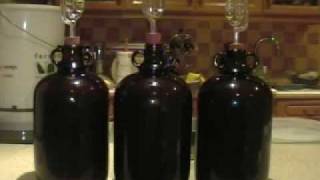
- Airlock and stopper – to allow CO₂ to escape while keeping oxygen out.
- Hydrometer – for measuring specific gravity.
- Siphon, tubing, and bottling wand – for transferring wine without contamination.
- Bottles and corks – standard 750 ml wine bottles and a corker.
Step 1: Preparing the Must
The liquid that will become wine is called the must. Follow these basic instructions for a clean start:
- Sanitize all equipment with a food‑grade sanitizer; rinse with clean water.
- Pour the fruit juice or crushed grapes into the fermentation vessel.
- Measure the specific gravity with a hydrometer. Aim for 1.090–1.100 for a 12‑13% ABV wine.
- If the gravity is low, dissolve sugar in a small amount of warm water and stir it into the must.
- Add acid blend, tannin, and yeast nutrient according to the package directions.
- Stir the mixture thoroughly to oxygenate the must, which helps yeast activation.
Step 2: Fermentation
Fermentation is where yeast converts sugars into alcohol and carbon dioxide. This stage typically lasts 7–14 days.
- Pitch the yeast: sprinkle the rehydrated yeast over the surface of the must.
- Seal the vessel with the lid and attach the airlock filled with sanitized water.
- Store the fermenter in a dark, temperature‑controlled area (15‑22 °C or 59‑72 °F).
- Check the airlock daily; steady bubbling indicates active fermentation.
- When bubbling slows and the hydrometer reads 1.010–1.020,