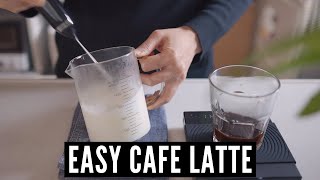
How To Make Latte: A Complete Guide to the Perfect Home Brew
Learning how to make a latte is a rewarding journey for any coffee lover. A latte, short for caffè latte, is a classic Italian-style coffee drink characterized by a rich shot of espresso balanced with a generous amount of steamed milk and a thin layer of foam on top. Unlike a cappuccino, which has a higher ratio of foam, a latte is creamier and more milk-forward.
Whether you are using a professional espresso machine or basic home tools, achieving a cafe-quality result requires attention to three main components: the espresso, the milk texture, and the pour.
Understanding the Latte Composition
Before diving into the process, it is helpful to understand what separates a latte from other espresso-based drinks. Our coffee guru Chloe explains the difference between a latte and other beverages by highlighting the milk-to-coffee ratio. While a flat white has less milk and a cappuccino is airier, the latte is designed to be a smooth, milky beverage that mellows out the intensity of the coffee.
A standard latte typically consists of:
- One or two shots of espresso: The concentrated base.
- Steamed milk: The bulk of the drink, heated and textured.
- Micro-foam: A thin layer of velvety bubbles on the surface.
Essential Tools and Ingredients
To get started, you will need the following items:
- Espresso machine: Or a Moka pot/AeroPress for a strong coffee concentrate.
- Fresh coffee beans: Medium to dark roast typically works best.
- Milk: Whole milk provides the best creaminess, though oat and almond milk are popular alternatives.
- Milk pitcher: A stainless steel jug for steaming.
- Coffee cup: A wide-mouthed ceramic mug.
Step-by-Step Instructions: How to Make a Latte
1. Prepare the EspressoStart by grinding your coffee beans to a fine consistency. Tamp the grounds firmly into the portafilter to ensure an even extraction. Brew a double shot of espresso directly into your serving cup. If you do not have an espresso machine, brew a very concentrated coffee using a Moka pot to mimic the intensity of espresso.
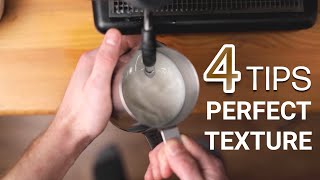
2. Steam the MilkThis is the most technical part of the process. If you are using a steam wand, follow these steps to ensure a smooth texture:
- Fill your pitcher with cold milk to just below the spout.
- Purge the steam wand for a second to remove any condensation.
- Submerge the tip of the wand just below the surface of the milk.
- Turn on the steam. You should hear a light "tss-tss" sound—this is the process of incorporating air to create micro-foam.
- Once the milk has expanded slightly, tilt the pitcher to create a vortex, swirling the milk to integrate the bubbles into a glossy, wet-paint consistency.
- Stop steaming once the pitcher becomes too hot to touch comfortably (approximately 140-150°F).
For those without a steam wand, you can heat milk in a saucepan and use a handheld frother or a French press to pump air into the liquid until it is creamy.
3. The PourTo combine the elements, start by tilting your cup of espresso. Slowly pour the steamed milk into the center of the coffee. Start from a height to allow the milk to dive under the espresso crema. As the cup fills, bring the pitcher closer to the surface to allow the white foam to glide across the top.
Mastering the Finishing Touches
If you are looking to elevate your skills, the next step is learning the latte art basics. The key to creating hearts or rosettas is the quality of your






![How To Make A Latte At Home With An Espresso Machine [Step by Step Tutorial]](https://i.ytimg.com/vi/pmXTG96Anc4/mqdefault.jpg)