How to Make Brown Using Yellow: A Guide to Color Mixing
Understanding color theory is essential for artists, painters, and designers. While many beginners view brown as a difficult color to achieve, it is actually one of the most versatile and accessible colors to create using primary pigments. If you have ever wondered how to make brown using yellow, you are in the right place. By mastering the relationship between yellow and its complementary counterparts, you can create a vast spectrum of earthy tones.
The Fundamental Color Theory Behind Brown
Brown is essentially a dark, desaturated orange. To create it, you must combine the three primary colors: red, yellow, and blue. However, when you start with yellow as your base, you are looking to neutralize it. In color theory, mixing a color with its complement—the color directly opposite it on the color wheel—will result in a neutral tone, such as gray or brown.
The complement of yellow is purple (a mixture of red and blue). Therefore, to make brown using yellow, you are effectively introducing red and blue to the yellow pigment. Depending on the ratios you choose, you can shift your brown toward a warm, golden hue or a cool, muddy shadow.
Step-by-Step: How to Make Brown Using Yellow
Creating brown is an exercise in patience and experimentation. Follow these steps to achieve the perfect shade for your project:
- Start with a Yellow Base: Begin with a small amount of yellow paint on your palette. Because yellow is a light, high-key color, it is easier to darken it than it is to brighten a dark color.
- Introduce Red: Slowly add a small amount of red to the yellow. This will create orange. The intensity of the orange will depend on the specific red and yellow pigments you are using.
- Add Blue Gradually: This is the crucial step. By adding blue to your orange mixture, you begin to neutralize the vibrancy. Start with a tiny drop of blue. As you mix, you will see the orange transform into a rich brown.
- Adjust the Tone: If your mixture looks too gray, add more yellow or red. If it looks too vibrant or orange, add a touch more blue to deepen the shadow.
Variations of Brown
By adjusting the proportions of your primary colors, you can create a diverse range of browns:
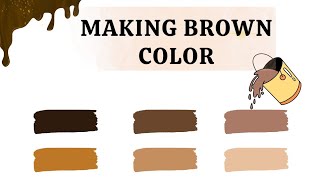
- Golden Brown: Use a larger ratio of yellow and red with only a very small amount of blue. This creates a warm, honey-like tone.
- Cool Earthy Brown: Increase the amount of blue in your mixture. This creates a deeper, cooler brown that works well for shadows and landscapes.
- Deep Chocolate Brown: Use a darker blue (like ultramarine) and a deeper red (like alizarin crimson) mixed with your yellow to create a rich, dark brown that approaches black.
Tips for Better Color Mixing
Achieving the perfect shade requires more than just the right ingredients; it requires technique. Here are a few professional tips to keep in mind:
Work in Small Increments: It is always easier to add more paint than to remove it. When mixing, add your secondary and tertiary colors in tiny amounts. A single brushstroke of blue can drastically change the outcome of a large pile of yellow paint.
Keep Your Palette Clean: Dirty brushes can contaminate your colors. If you are mixing yellow, ensure your brush is clean before dipping it into your blue or red pigments. Mixing clean colors ensures that your brown remains vibrant and true rather than turning into a muddy, unappealing sludge.
Test on Paper: Never judge a color while it is still on the palette. Always test your mixture on a scrap piece of paper or canvas. Colors often look different when applied to a surface, especially as they dry.
Deepen Your Skills
Color mixing is a lifelong journey of discovery. If you are interested in refining