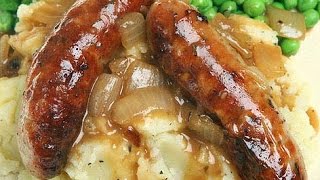
How To Make Brown Onion Gravy
There are few things in the kitchen more comforting than a bowl of rich brown onion gravy. This traditional English staple has graced Sunday roasts, full breakfasts, and humble bangers and mash for generations. While it might seem like an everyday condiment, making truly great onion gravy at home requires patience, technique, and a willingness to let the onions do their thing. The result is a deeply savoury sauce that transforms ordinary meals into something special.
Why Slow-Cooked Onions Make All the Difference
The secret to exceptional brown onion gravy lies not in complicated ingredients but in time. Rushing the cooking process will leave you with sweet, pale onions floating in thin liquid. Instead, the goal is to patiently caramelise your onions until they turn dark, almost blackened at the edges, and collapse into a jammy sweetness. This Maillard reaction is what gives the gravy its characteristic deep colour and umami-rich flavour.
Chef David Bishop, who has shared his expertise in detailed video tutorials on the subject, emphasises that this is not a quick weekday job. Getting the timing right means allowing at least forty-five minutes to an hour for the onions alone. The reward is a traditional English gravy with layers of flavour that no packet mix can replicate.
The Ingredients You Need
A proper brown onion gravy relies on a short list of simple ingredients. You will need large brown or yellow onions, butter or lard, flour, beef stock, and a pinch of salt and pepper. Some cooks prefer to add a splash of Worcestershire sauce or a teaspoon of mustard for extra depth, while others keep things minimalist. The quality of your stock makes a significant difference, so invest in good quality stock cubes or consider making your own.
- 4 large brown onions, thinly sliced
- 2 tablespoons of butter or lard
- 1 tablespoon of plain flour
- 500ml to 600ml of hot beef stock
- Salt and freshly ground black pepper
- Optional: a dash of Worcestershire sauce
Step-by-Step Method
Stage One: Caramelising the OnionsBegin by heating your butter or lard in a heavy-based pan over medium-low heat. Add your thinly sliced onions and stir them through until they are coated in fat. At this point, reduce the heat to low. The aim is to sweat and slowly colour the onions without burning them. Stir occasionally for approximately thirty to forty minutes. The onions should gradually darken from pale white to a deep golden brown, then eventually to a rich, dark brown shade.
If the onions begin to stick, you can deglaze the pan with a small splash of water or stock. This lifts the fond from the bottom and incorporates those sticky, flavourful bits back into the mixture. Patience here is essential. Skipping or rushing this stage is the most common mistake home cooks make.
Stage Two: Building the GravyOnce your onions have reached that desired dark brown colour and a jammy consistency, it is time to build the body of the gravy. Sprinkle the flour evenly over the onions and stir continuously for about two minutes. This cooks out the raw flour taste and creates a roux that will thicken the liquid.
Pour in the hot beef stock gradually, stirring constantly to prevent lumps. Bring the mixture to a gentle simmer and allow it to cook for ten to fifteen minutes. During this time, the gravy will deepen further in colour and develop a glossy, silky texture. Season with salt and pepper to taste, adding Worcestershire sauce if using.
Stage Three: Final AdjustmentsTaste your gravy and adjust the seasoning. If it feels too thick, add a little more stock or water. If it is too thin, allow it to simmer a few minutes longer. The gravy should coat the back of a spoon and have a pourable consistency that clings gently rather than running watery across your plate.
Serving Suggestions
Brown onion gravy is incredibly versatile. It pairs beautifully with traditional English dishes such as roast beef, bangers and mash, fish fingers and chips, and ploughman's sandwiches. It also works wonderfully alongside vegetarian dishes like roasted root vegetables or scotch eggs. A generous ladle over any comfort food elevates it immediately.
Many cooks find that the flavour improves overnight. Making a larger batch and storing it in the refrigerator means you can reheat portions throughout the week, each time enjoying a deeper, more developed taste.
Common Mistakes to Avoid
One of the biggest errors people make is using too high heat at the start, which causes the onions to burn before they have released their natural sugars. Another is adding the stock immediately rather than allowing the onions to properly colour first. Finally, under-seasoning is common since well-caramelised onions naturally sweeten the dish, requiring a good balance of salt to counterbalance that sweetness.
Mastering onion gravy is a skill worth developing. With practice, you will be able to produce a rich, complex sauce that rivals anything served in a British pub. Once you experience the difference between rushed and properly cooked versions, there is no going back.
```