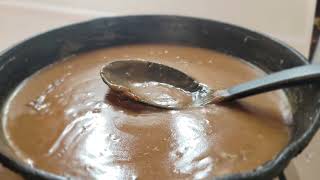
How To Make Brown Gravy From Scratch With Flour
There is something deeply satisfying about a spoonful of warm, silky brown gravy drizzled over roasted chicken, mashed potatoes, or a slice of beef roast. For many home cooks, however, the thought of making gravy from scratch can feel intimidating. The good news is that once you understand the basics, the process is straightforward and highly rewarding. In this edition, we will explore how to make brown gravy from scratch with flour, using simple pantry staples and a handful of time-tested techniques.
Why Start From Scratch?
While jarred gravies may offer convenience, they often contain preservatives and lack the depth of flavor found in a well-made homemade version. Making your own gravy allows you to control the ingredients, adjust the saltiness to your preference, and achieve the exact consistency you desire. When you learn how to make brown gravy from scratch with flour, you unlock a versatile sauce that elevates everyday meals into comfort-food classics.
Gathering Your Ingredients
To begin, gather the following essential items:
- Fat: This can be bacon drippings, pan drippings from roasted meat, butter, or vegetable oil.
- Flour: All-purpose white flour is the standard choice for thickening.
- Liquid: Beef broth, chicken broth, or a combination works beautifully. For an even richer flavor, use a mix of broth and water or save some cooking liquid from your meat.
- Seasonings: Salt, freshly ground black pepper, and optional herbs like thyme or a pinch of garlic powder can enhance the taste.
If you are roasting a piece of meat, do not discard the fond—the browned bits stuck to the bottom of your roasting pan. That caramelized residue is pure flavor gold and serves as the foundation for a truly exceptional brown gravy.
Creating the Roux: The Heart of Your Gravy
A roux is the cornerstone of any flour-thickened gravy. It is simply cooked fat combined with flour. The method by which you cook this mixture will determine whether your gravy tastes nutty and light or deeply savory and robust.
- Melt your fat: Place a saucepan over medium heat. If you have pan drippings, carefully skim off the excess fat, leaving behind the flavorful sediment. Add butter or oil if needed to reach about a quarter cup of total fat.
- Add the flour: Sprinkle an equal amount of all-purpose flour into the melted fat. For a standard batch, use roughly ¼ cup of fat to ¼ cup of flour.
- Cook the roux: Whisk constantly to blend the flour and fat into a smooth paste. Continue cooking for 3 to 5 minutes. Watch closely as the mixture turns from white to a light tan color. This stage releases the raw flour taste and lays the groundwork for a nutty aroma.
For a darker, more intense brown gravy, you can cook the roux longer until it reaches the color of peanut butter or even dark chocolate. Be careful not to burn it, as scorched roux will impart a bitter flavor to your final sauce.
Incorporating Liquid and Building Flavor
Once your roux has reached the desired color, it is time to add your liquid. This is the moment where patience pays off.
- Gradual addition: Slowly pour in your broth or stock while whisking vigorously. Adding liquid all at once can cause lumps to form, so take your time and incorporate the liquid in small increments.
- Simmer to thicken: Once all the liquid has been added, bring the mixture to a gentle simmer. Continue to cook for 5 to 10 minutes, stirring frequently. The gravy will naturally thicken as the starches in the flour swell and gelatinize.
- Season wisely: Taste your gravy before adding salt. Broths vary widely in sodium content, so it is best to season gradually. Add freshly cracked black pepper, a pinch of salt, and any other herbs or spices according to your taste preferences.
Troubleshooting Common Issues
Even experienced cooks occasionally run into problems when learning how to make brown gravy from scratch with flour. Here are a few common issues and how to resolve them:
- Lumpy gravy: If your gravy becomes lumpy, simply pass it through a fine-mesh sieve or use an immersion blender to achieve a silky texture.
- Too thin: If your gravy lacks body, mix a small amount of additional flour with cold water to create a slurry. Whisk this into the simmering gravy and cook until thickened.
- Too thick: A concentrated gravy can be loosened with additional broth or water, stirred in a little at a time until you reach the desired consistency.
- Raw flour taste: If your gravy tastes pasty or uncooked, it likely needs more simmering time. Cook it a bit longer over low heat to allow the flour flavor to mellow out.
Serving Suggestions
Homemade brown gravy pairs beautifully with a wide array of dishes. Drizzle it over: - Fluffy mashed potatoes - Roasted or grilled meats such as chicken, pork, or beef - Fresh biscuits or cornbread - Savory pot pies - Steamed vegetables or root vegetables
The beauty of this sauce lies in its adaptability. You can experiment with different types of broth, add a splash of Worcestershire sauce for umami, or finish with a pat of butter for extra richness.
Final Thoughts
Mastering how to make brown gravy from scratch with flour is a valuable skill that transforms ordinary meals into extraordinary experiences. With practice, you will find that making gravy is both quick and intuitive. The key lies in building a proper roux, adding liquids gradually, and seasoning thoughtfully. So, next time you enjoy a hearty roast or simmer a batch of broth, remember that the leftover juices and basic ingredients in your pantry are all you need to create a velvety, deeply flavorful brown gravy.