How To Make Brown Color By Mixing: A Step‑by‑Step Guide for Artists
Brown is one of the most versatile hues in any painter’s palette. Whether you are working in oil, acrylic, watercolor, or digital media, mastering the creation of brown gives you control over shadows, skin tones, and natural textures. This article explains how to make brown colour using simple mixing techniques, and it includes practical tips that will advance any artist’s palette.
Why Learn to Mix Brown?
Mixing brown yourself, instead of buying pre‑mixed tubes, offers several advantages:
- Customisation – Adjust the warmth, coolness, or saturation to match the exact mood of your painting.
- Cost efficiency – A few primary colors can produce a wide range of browns.
- Color harmony – Creating brown from the same pigments you use for other colors ensures a cohesive look.
The Basics of Color Theory
Understanding the relationship between primary, secondary, and complementary colors is the foundation of mixing brown. Brown typically results from combining a hue with its complement, or from mixing all three primary colors in balanced proportions. The exact outcome depends on the relative amounts and the opacity of the pigments you use.
Mixing Brown with Primary Colors
One of the most reliable methods is to start with the three primaries – red, blue, and yellow – and adjust from there. Follow these steps:
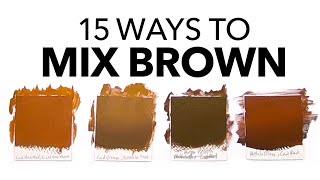
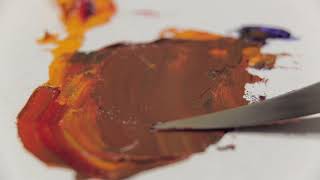
- Start with equal parts of red, blue, and yellow. The mixture will appear a muted dark orange.
- Adjust the balance:
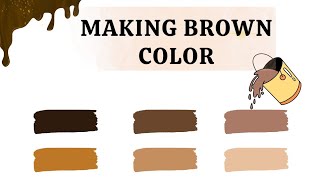
- More red or yellow → warmer, reddish‑brown.
- More blue → cooler, gray‑brown.
- Test on paper and add small increments until you reach the desired tone.
This method works well for acrylic and oil paints because the pigments are usually opaque enough to hide the underlying canvas.
Using Complementary Pairs
Another quick technique is to mix a color with its complement (the color opposite it on the color wheel). The result is a neutral brown that can be warmed or cooled as needed.
- Red + Green – produces a rich, earthy brown.
- Blue + Orange – yields a deep, cool brown.
- Yellow + Purple – creates a warm, golden brown.
Start with a small amount of each color and increase the proportion of the dominant hue until the mixture looks like the brown you need.
Adding Neutrals for Depth
Once you have a base brown, you can refine it with neutral pigments:
- White – lightens the brown without changing its temperature.
- Black – darkens the shade; use sparingly to avoid a muddy result.
- Gray – reduces saturation and creates a more natural, desaturated brown.