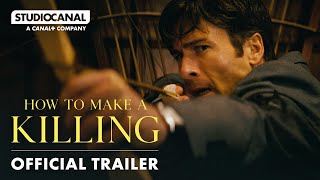
How To Make A Killing Explained: Plot, Themes, and Cast
In the realm of dark comedies and high-stakes thrillers, few premises are as provocative as the one found in How To Make A Killing. Written and directed by John Patton Ford, this film blends the desperation of the working class with the cold, calculated world of inherited wealth. Starring Glen Powell and Margaret Qualley, the movie explores the lengths an individual will go to reclaim a birthright that was stolen from them.
The Plot: A Quest for Inheritance
The narrative centers on a protagonist played by Glen Powell, a man who was disowned at birth by his obscenely wealthy family. Having grown up in a blue-collar environment, he is far removed from the luxury and influence his biological relatives enjoy. However, the discovery of a specific family inheritance structure changes everything.
The core conflict of How To Make A Killing revolves around a ruthless set of conditions: the protagonist is the heir to a massive family fortune, but only if he can eliminate the successors in line above him. This creates a lethal game of musical chairs where the only way to move up the ladder of succession is to remove the competition permanently.
Driven by a lifelong sense of abandonment and a desire for financial security, the character stops at nothing to reclaim his inheritance. The plot follows his descent into a world of calculated violence and strategic manipulation as he attempts to navigate the treacherous waters of his own family tree.
Key Characters and Performances
The film relies heavily on the chemistry and screen presence of its lead actors to balance the grim subject matter with narrative tension.
- Glen Powell: Powell portrays the disowned son with a mix of blue-collar grit and emerging ruthlessness. His performance captures the evolution of a man who begins as an underdog and transforms into a predator to survive his family's legacy.
- Margaret Qualley: Qualley provides a critical counterbalance to Powell's character, adding depth to the interpersonal dynamics and the emotional stakes of the plot.
Themes of Class and Greed
Beyond the surface-level plot of a "killing spree" for money, How To Make A Killing delves into several sociological and psychological themes:
1. Class Warfare
The contrast between the protagonist's blue-collar upbringing and the obscene wealth of his family serves as a commentary on social mobility. The film suggests that for those born outside the circles of power, the only way to enter is through destruction rather than merit.
2. The Corruption of Legacy
The movie examines how wealth can warp family bonds. The very structure of the inheritance encourages fratricide and betrayal, suggesting that the fortune itself is a curse that destroys everyone who touches it.
3. Moral Erosion
A central question of the film is at what point the pursuit of "justice" or "rightful ownership" becomes indistinguishable from villainy. As the protagonist eliminates those above him, the audience is forced to question if he is reclaiming his life or losing his soul.
Production and Direction
Directed by John Patton Ford, the film utilizes a pacing that mirrors the protagonist's increasing desperation. The direction emphasizes the claustrophobia of the social climb, making the viewer feel the pressure of the ticking clock and the constant threat of discovery.
Final Verdict: Is It Worth Watching?
For fans of dark satire and crime thrillers, How To Make A Killing offers a gripping look at the intersection of greed and family trauma. It avoids the clichés of standard heist movies by focusing on the psychological toll of the protagonist's actions.
If you enjoy films where the protagonist is an anti-hero and the plot is driven by high-stakes gambles, this movie is a strong addition to the genre. The combination of Glen Powell's charismatic lead and John Patton Ford's sharp writing ensures that the film remains engaging from the first betrayal to the final payout.