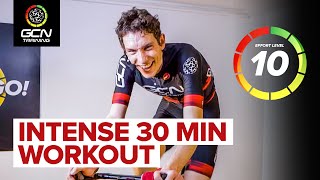
Understanding VO2 Max and Its Importance for Cyclists
VO2 max, or maximal oxygen consumption, represents the maximum amount of oxygen your body can utilize during intense exercise. It is widely considered one of the most reliable metrics for measuring aerobic fitness and cardiovascular endurance. For indoor cyclists, having a high VO2 max means your heart and lungs are more efficient at delivering oxygen to your muscles, allowing you to ride harder for longer periods without reaching fatigue.
Improving this metric is a common goal for those looking to elevate their performance on the Peloton. By focusing on specific training protocols that push your aerobic and anaerobic systems, you can increase your capacity to perform at higher intensities.
The Science of Interval Training
The most effective way to improve VO2 max is through high-intensity interval training (HIIT). Unlike steady-state cardio, which builds a base, HIIT forces the heart to pump large volumes of blood and the muscles to process oxygen at near-maximal rates. When you push your body to these limits, you trigger physiological adaptations that increase your stroke volume—the amount of blood pumped per beat—and improve the efficiency of your muscle fibers.
How to Structure Peloton Workouts for VO2 Max
To see measurable improvements, you must move beyond casual riding and incorporate structured, high-intensity sessions into your weekly routine. Here is how to optimize your Peloton rides for VO2 max gains:
1. Incorporate 4x4 Intervals
One of the most research-backed protocols for increasing VO2 max is the 4x4 interval structure. This involves performing four minutes of work at an intensity that feels very difficult—roughly 85% to 95% of your maximum heart rate—followed by three minutes of active recovery at a low intensity. Repeating this cycle four times creates the necessary stress to force cardiovascular adaptation.
2. Utilize Peloton’s Power Zones
If you have taken a Peloton FTP (Functional Threshold Power) test, you can use Power Zone training to ensure you are hitting the correct intensity. To improve VO2 max, you should target "Zone 5" (the VO2 Max zone). These rides are physically demanding and should be limited to one or two sessions per week to allow for adequate recovery.
3. Focus on High-Cadence Drills
Improving your VO2 max is not just about resistance; it is also about efficiency. Incorporating high-cadence intervals—spinning at 100+ RPM—can help improve your neuromuscular efficiency. When you combine high resistance with high cadence, you tax both your cardiovascular system and your leg muscles, creating the ideal environment for fitness gains.
The Role of Consistency and Recovery
While high-intensity training is necessary for improvement, it is also highly demanding on the central nervous system. Overtraining can lead to plateaus or injury, which will ultimately set you back. To improve your VO2 max sustainably, keep the following in mind:
- Prioritize Recovery: Your body adapts to the stress of exercise during your rest days. Ensure you have at least one or two full rest days per week, or incorporate low-impact recovery rides to flush out metabolic waste without adding unnecessary stress.
- Monitor Your Heart Rate: Use a heart rate monitor to ensure you are actually reaching the intensity required to stimulate VO2 max improvements. If your heart rate stays too low during your "work" intervals, you may need to increase your resistance.
- Progressive Overload: As your fitness improves, your body will adapt to the intensity of your current workouts. To keep seeing improvements, you must gradually increase the difficulty, either by adding more intervals, increasing the resistance during work sets, or decreasing the recovery time between sets.
Nutrition and Lifestyle Support
Training is only one piece of the puzzle. Providing your body with the right fuel is essential for recovery and performance. Maintaining adequate hydration and consuming a balanced diet rich in complex carbohydrates and lean proteins will provide the energy needed to power through grueling interval sessions.
Furthermore, quality sleep is non-negotiable