How to Improve Your Skin Barrier for a Stronger, More Radiant Complexion
When your skin feels tight, red, or “on fire” after trying a new exfoliant, retinol, or trendy serum, you’re likely dealing with a compromised skin barrier. The barrier—also called the stratum corneum—is the skin’s first line of defense against moisture loss, pollutants, and microbes. A healthy barrier keeps skin hydrated, calm, and resilient. Below you’ll find a step‑by‑step guide, backed by dermatologists and supported by research, on how to repair and strengthen that barrier.
What the Skin Barrier Does
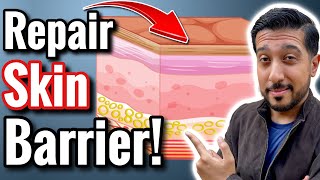
The outermost layer of the epidermis is composed of dead skin cells bound together by lipids (mainly ceramides, cholesterol, and fatty acids). This “brick‑and‑mortar” structure:
- Prevents transepidermal water loss (TEWL)
- Blocks irritants, allergens, and harmful microbes
- Regulates temperature and pH
When any of these components are disrupted, the barrier becomes leaky, leading to dryness, inflammation, and increased sensitivity.
Common Triggers of Barrier Damage
Understanding the culprits helps you avoid them:
- Over‑exfoliation: Using physical scrubs or chemical acids (AHA/BHA) more than 2–3 times a week can strip lipids.
- High‑strength actives: Retinol, vitamin C, and certain peptides can irritate if introduced too quickly.
- Harsh cleansers: Soaps with high pH or strong surfactants disrupt the skin’s natural acidity.
- Environmental stress: UV radiation, wind, low humidity, and pollution accelerate barrier breakdown.
- Lifestyle factors: Dehydration, poor diet, and lack of sleep impair the skin’s repair processes.
Step‑by‑Step Routine to Repair and Strengthen the Barrier
- Gentle Cleansing
Choose a sulfate‑free, pH‑balanced cleanser (around 5.5). Cleanse with lukewarm water, limiting the process to 30–60 seconds. Pat skin dry with a soft towel—don’t rub.
- Immediate Hydration
While the skin is still damp, apply a hydrating serum that contains hyaluronic acid or glycerin. These humectants draw water into the skin and prepare it for the next step.
- Barrier‑Repair Moisturizer
Look for moisturizers that list ceramides, cholesterol, fatty acids, or niacinamide near the top of the ingredient list. These lipids replenish the “mortar” and calm inflammation. Apply in a gentle upward motion.
- Sun Protection
UV exposure is a leading cause of barrier breakdown. Use a broad‑spectrum sunscreen with SPF 30 or higher every morning, even on cloudy days. Reapply every two hours when outdoors.
- Limit Potential Irritants
For at least 2–4 weeks, pause the use of strong actives (retinol, high‑strength AHAs, benzoyl peroxide). Re‑introduce them gradually—one product at a time, starting with a low concentration and using it only a few nights per week.
- Support from Inside
Drink 1.5–2 L of water daily and incorporate omega‑3‑rich foods (salmon, walnuts, chia seeds) to supply essential fatty acids that the skin can’t produce on its own.
- Targeted Treatments (Optional)
If you need extra help, consider a barrier‑repair serum that combines ceramides with niacinamide. These ingredients work synergistically to reduce redness and improve texture.
What Dermatologists Say
In a recent video, board‑certified dermatologist Dr. Dray emphasized that “the best way to fix a damaged skin barrier is to simplify, hydrate, and protect.” She recommends a “three‑step rescue” of gentle cleanser, ceramide‑rich moisturizer, and sunscreen—exactly the framework outlined above.
Products Worth Trying
While many brands offer barrier‑supporting formulas, HaruHaru Wonder has gained attention for its clean, ceramide‑focused line. Their “Barrier Boost Cream” combines ceramides, hyaluronic acid, and soothing botanical extracts. For a limited time, Amazon Prime Day (June 23–26) offers special discounts, making it an ideal moment to stock up on these supportive products.
Lifestyle Tweaks That Complement Skincare
- Humidify indoor air: A humidifier set to 40–60 % humidity reduces TEWL, especially in winter.
- Sleep well: Aim for 7–9 hours of quality sleep; growth hormone released during deep sleep aids skin repair.
- Manage stress: Chronic stress elevates cortisol, which can impair barrier function. Practices like meditation or gentle yoga are beneficial.
Frequently Asked Questions
How long does it take to see improvement?Most people notice reduced redness and tighter hydration within 1–2 weeks of consistent barrier‑care. Full restoration of lipid levels can take 4–6 weeks.
Can I use a physical exfoliator while repairing my barrier?It’s best to avoid any abrasive scrubs until the skin feels calm. Once irritation subsides, a very gentle enzyme exfoliant (once a week) can be re‑introduced.
Is it okay to use a “dry brush” on my face?Dry brushing is generally too harsh for facial skin and can further damage the barrier. Stick to soft, non‑abrasive tools.
Bottom Line
Improving the skin barrier is less about adding more products and more about restoring balance. By cleansing gently, hydrating immediately, using ceramide‑rich moisturizers, protecting with sunscreen, and supporting your skin from the inside, you can repair damage and build a resilient barrier that keeps your complexion smooth, hydrated, and less reactive.
Take advantage of Amazon Prime Day (June 23–26) to try HaruHaru Wonder’s barrier‑supporting line and give your skin the reset it deserves.