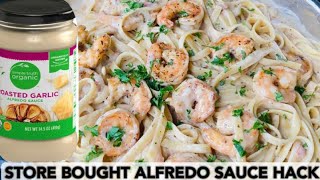
How to Improve Jar Alfredo Sauce: 10 Proven Tricks for a Restaurant‑Quality Finish
Jarred Alfredo sauce is a lifesaver on busy nights, but most store‑bought versions taste flat compared with a sauce made from scratch. The good news is that you don’t need to start from zero—just a handful of pantry staples and a few quick techniques can turn a basic jar into a creamy, flavorful masterpiece that clings perfectly to fettuccine or any pasta you love.
Why Upgrade Store‑Bought Alfredo Sauce?
Commercial Alfredo sauces are formulated for long shelf life, which often means lower butter content, generic Parmesan, and added stabilizers. By adjusting the sauce yourself you can:
- Boost flavor depth without extra cooking time.
- Improve texture for a silk‑smooth mouthfeel.
- Customize the seasoning to match your personal taste.
All of these upgrades can be done in five minutes or less, making the sauce suitable for weeknight meals, dinner parties, or a quick lunch.
Trick #1: Fresh Garlic for Instant Aroma
Garlic is the backbone of many Italian sauces. Mince one or two cloves and sauté them in a tablespoon of butter over medium heat until they turn fragrant (about 30 seconds). Then stir the garlic‑butter mixture into the warmed jar sauce. The result is a subtle, sweet garlic note that feels far more authentic than the powdered garlic often found in packaged sauces.
Trick #2: Upgrade the Cheese
Store‑bought Alfredo usually contains a low‑grade cheese powder. Replace that with real Parmigiano‑Reggiano or a high‑quality aged Parmesan. Grate about ¼ cup per cup of sauce and stir it in while the sauce is still hot. The cheese melts, adding a nutty richness and a slight salty bite that elevates the entire dish.
Trick #3: Add Heavy Cream for Velvet Texture
If the sauce feels too thick or grainy, whisk in 2–3 tablespoons of heavy cream. The extra fat creates a silkier mouthfeel and helps the sauce coat the pasta evenly. For a lighter version, substitute half‑and‑half, but keep in mind the sauce will be a touch less luxurious.
Trick #4: Fresh Herbs for Brightness
Finely chop a tablespoon of fresh parsley, basil, or thyme and sprinkle it into the sauce just before serving. Herbs add a fresh, green pop that balances the richness of butter and cream. Dried herbs work too—use about a third of the amount, as they are more concentrated.
Trick #5: Protein Boost with Cooked Meat
Adding protein turns a simple side into a complete meal. Cook chicken breast, shrimp, or crisped bacon separately, then fold the pieces into the sauce. The meat absorbs some of the creamy flavor while contributing its own juices, creating layers of taste without extra effort.
Trick #6: Pair with Proper Pasta – Fettuccine
Fettuccine’s flat, wide ribbons are designed to hold creamy sauces. Cook the noodles al dente, reserve a cup of pasta water, and toss the drained pasta with the sauce. If the sauce seems too thick, add a splash of the reserved water; the starches help the sauce cling to each strand, delivering a consistent bite every time.
Trick #7: A Squeeze of Lemon Juice
Acidity cuts through the richness. Add the juice of a quarter‑to‑half lemon (about 1–2 teaspoons) just before plating. The bright citrus note lifts the flavor profile and prevents the sauce from feeling heavy.
Trick #8: Roast Vegetables for Sweet Depth
Roasted broccoli, asparagus, or bell peppers bring a caramelized sweetness that complements the creamy base. Toss the vegetables with olive oil, salt, and pepper, roast at 425°F (220°C) for 15–20 minutes, then stir them into the sauce. This not only adds nutrition but also introduces a pleasant textural contrast.
Trick #9: Finish with a Pat of Butter
For an extra glossy finish, whisk in a small pat (½ teaspoon) of cold butter at the very end of cooking. The butter emulsifies with the sauce, giving it a glossy sheen and a buttery depth that feels indulgent without being greasy.
Trick #10: Spice It Up Your Way
Don’t be afraid to experiment. A pinch of red‑pepper flakes adds a gentle heat, while a dash of smoked paprika introduces a subtle smokiness. For an Italian twist, sprinkle a little nutmeg (just a pinch) – it’s a classic secret in many traditional Alfredo recipes.
Putting It All Together – A Quick “Doctor‑Up” Video Guide
Many creators on YouTube have posted short, step‑by‑step videos titled “How to Doctor Up a Jar of Alfredo.” In a typical 3‑minute clip, the host (often greeting viewers with “Welcome back to my channel!! I’m so glad you’re here”) demonstrates the garlic‑butter sauté, cheese addition, and final butter finish. Watching one of these videos can give you visual confidence before you try the tricks yourself.
Final Thoughts
Improving jarred Alfredo sauce is less about reinventing the wheel and more about adding a few high‑impact ingredients that you likely already have on hand. By following these ten tricks—fresh garlic, quality Parmesan, a splash of cream, herbs, protein, proper pasta, lemon, roasted veggies, finishing butter, and optional spices—you’ll consistently produce a sauce that tastes as if you spent hours in the kitchen.
Next time you reach for that convenient jar, remember that a few simple steps can transform it into a restaurant‑quality dish that satisfies both your palate and your schedule.