How To Grow Zucchini From Seeds: A Complete Guide
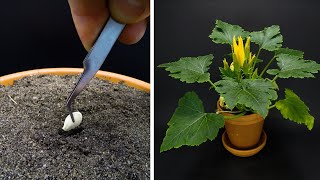
Zucchini is one of the most rewarding vegetables for home gardeners. Known for its rapid growth and prolific yields, it is an ideal crop for beginners. Whether you have a sprawling backyard or a small balcony, learning how to grow zucchini from seeds allows you to control the variety and ensure your plants start healthy.
Choosing the Right Location and Soil
Before sowing your seeds, you must prepare the environment. Zucchini plants are sun-lovers and require at least 6 to 8 hours of direct sunlight daily to produce high-quality fruit.
The soil should be rich in organic matter and well-draining. Zucchini are "heavy feeders," meaning they require plenty of nutrients. Mixing compost or aged manure into the soil before planting provides the necessary nitrogen and phosphorus to support large leaves and heavy fruit.
Sowing Zucchini Seeds
Depending on your climate, you can start zucchini seeds indoors or sow them directly into the garden.
Starting Indoors
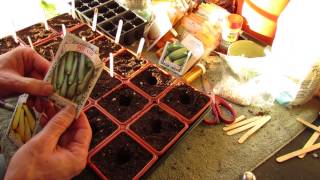
If you live in a region with a short growing season, start seeds indoors 3 to 4 weeks before the last frost. Use biodegradable peat pots or seed trays to minimize root disturbance, as zucchini roots are sensitive to transplanting.
- Fill pots with a high-quality seed-starting mix.
- Plant seeds approximately 1/2 inch deep.
- Keep the soil moist and warm (around 70-80°F).
- Transplant carefully once the seedlings have developed two sets of true leaves.
Direct Sowing
Direct sowing is often the preferred method. Once the soil has warmed and the danger of frost has passed, plant seeds directly into the garden. Space plants 24 to 36 inches apart to ensure adequate airflow, which is critical for preventing diseases like powdery mildew.
Growing Zucchini in Containers and Grow Bags
If you lack garden space, you can easily grow zucchini in grow bags or large containers. To succeed with container gardening, follow these tips:
- Container Size: Use a pot that holds at least 5 to 10 gallons of soil per plant.
- Drainage: Ensure the container has plenty of drainage holes to prevent root rot.
- Watering: Containers dry out faster than the ground, so monitor moisture levels daily.
- Support: In small spaces, consider a zucchini variety bred for compact growth or use a trellis for vining types.
Care and Maintenance
Once your zucchini plants are established, consistent care is key to a bountiful harvest.
Watering and Mulching
Water zucchini at the base of the plant rather than over the leaves. Wet foliage encourages fungal infections. Applying a layer of organic mulch, such as straw or shredded bark, helps retain soil moisture and suppresses weeds.
Understanding Zucchini Flowers
Zucchini plants produce separate male and female flowers on the same plant. Identifying them is essential for understanding how pollination works:
- Male Flowers: These appear first and grow on long, thin stems.
- Female Flowers: These have a small, immature zucchini (an ovary) at the base of the bloom.
Bees and other pollinators move pollen from the male to the female flower. If you notice fruit shriveling and falling off, you may need to hand-pollinate by gently rubbing the center of a male flower onto the center of a female flower.
Preventing Common Pests and Diseases
The most common issue for zucchini growers is powdery mildew, which appears as a white, flour-like powder on the leaves. To prevent this, ensure proper spacing between plants to increase air circulation and avoid overhead watering.
Harvesting Your Zucchini
Zucchini grow incredibly fast—sometimes several inches in