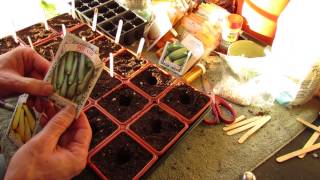
How To Get Zucchini Seeds To Germinate
Zucchini is a favorite for home gardeners because of its rapid growth and high yield. However, for those who want to start their garden early, the initial germination phase is critical. While zucchini seeds are generally hardy, providing the right environment ensures a higher success rate and stronger seedlings.
If you are hoping for a bounty of zucchinis this summer, understanding the specific requirements for seed germination will give your plants a head start. Whether you are planting directly in the ground or using grow bags and containers, these steps will help you learn how to quickly and effectively start your crop.
Optimal Conditions for Zucchini Germination
Zucchini seeds require three primary elements to trigger germination: warmth, moisture, and oxygen. Without the correct balance, seeds may rot in the soil or remain dormant.
1. Temperature Control
Zucchini is a warm-season crop. The seeds will not germinate in cold soil. For the best results, aim for a soil temperature between 70°F and 90°F (21°C to 32°C). If you are starting seeds indoors during early spring, using a seed heating mat can provide the consistent bottom heat necessary to wake the seeds from dormancy.
2. Moisture Levels
The growing medium must be consistently moist but not waterlogged. Overwatering can lead to "damping off," a fungal disease that kills young seedlings. Use a high-quality seed-starting mix that allows for good drainage while retaining enough moisture to hydrate the seed coat.
3. Planting Depth
Planting zucchini seeds too deep is a common mistake. Seeds should be sown approximately 1/2 to 1 inch deep. If they are buried too deeply, the seedling may exhaust its energy reserves before it reaches the surface of the soil.
Step-by-Step Guide to Starting Zucchini Seeds
- Choose Your Container: You can start seeds in biodegradable peat pots, plastic cell trays, or grow bags. Using containers makes it easier to control the temperature and moisture.
- Prepare the Soil: Fill your containers with a sterile seed-starting mix. Lightly moisten the soil before planting.
- Sow the Seeds: Place one to two seeds per pot. If you sow two, you can thin the weaker seedling later to ensure the strongest plant survives.
- Cover and Water: Cover the seeds with soil and mist gently with a spray bottle to avoid displacing the seeds.
- Create a Greenhouse Effect: To maintain heat and humidity, cover the tray with a clear plastic dome or plastic wrap until the first sprouts appear.
- Provide Light: Once the seeds germinate and break the surface, they need immediate access to bright light. Place them in a south-facing window or under LED grow lights for 12 to 16 hours a day.
Moving from Germination to Growth
Once your zucchini seeds have successfully germinated, the focus shifts to maintaining plant health. As the seedlings develop their first set of "true leaves," it is time to prepare them for the outdoors.
Hardening Off
Before transplanting your seedlings into the garden or larger grow bags, you must "harden them off." This involves placing the plants outside for a few hours a day, gradually increasing their exposure to wind and direct sunlight over a week. This prevents transplant shock.
Preventing Common Issues
As your zucchini plants grow, proper management is key to a healthy harvest:
- Spacing: Ensure proper spacing between plants to allow for airflow. This is the most effective way to prevent powdery mildew, a common fungal issue for zucchini.
- Pollination: To maximize fruit production, learn how to identify male and female flowers. Male flowers have a thin stem, while female flowers have a tiny miniature zucchini at the base. If natural pollinators are scarce, you can hand-pollinate by