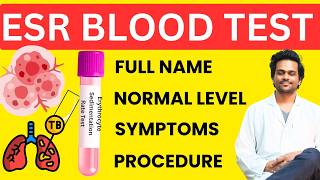
How To Bring ESR To Normal: Understanding and Managing Inflammation
If you have recently received blood test results showing a high ESR (Erythrocyte Sedimentation Rate), you may be wondering what this means for your health and how to bring it back to a normal range. ESR is a non-specific marker of inflammation in the body. While it does not pinpoint a specific disease, it tells your healthcare provider that an inflammatory process is occurring somewhere in the system.
What is ESR and Why Does it Rise?
ESR measures how quickly red blood cells sink to the bottom of a test tube. When inflammation is present, proteins called fibrinogens cause red blood cells to clump together. These clumps are heavier than individual cells, causing them to settle faster, which results in a higher ESR reading.
Many factors can cause a rise in ESR, including:
- Infections: Bacterial or viral infections often trigger an acute inflammatory response.
- Autoimmune Diseases: Conditions such as rheumatoid arthritis, lupus, or giant cell arteritis.
- Chronic Inflammatory Conditions: Such
- Inflammatory bowel disease (IBD) or vasculitis.
- Other Factors: Age, pregnancy, and certain medications can also influence the rate.
How To Bring ESR To Normal
It is important to understand that you cannot "treat" the ESR number itself; instead, you must treat the underlying cause of the inflammation. Once the primary trigger is managed, the ESR levels typically return to normal on their own.
Medical Interventions
Depending on the diagnosis, a doctor may prescribe specific medications to reduce inflammation and lower ESR levels:
- Antibiotics: If the high ESR is caused by a bacterial infection, clearing the infection is the fastest way to normalize the rate.
- Corticosteroids: These powerful anti-inflammatory drugs are often used for autoimmune flares.
- DMARDs: Disease-modifying antirheumatic drugs are used for long-term management of chronic conditions like rheumatoid arthritis.
- NSAIDs: Non-steroidal anti-inflammatory drugs can help manage symptoms and reduce mild inflammation.
Lifestyle Changes That May Help Lower Inflammation
While medical treatment is necessary for severe conditions, lifestyle modifications can support the body's healing process and help maintain a healthy inflammatory balance.
1. Adopt an Anti-Inflammatory Diet
What you eat significantly impacts the level of inflammation in your body. Focus on whole, unprocessed foods that naturally inhibit inflammatory markers:
- Omega-3 Fatty Acids: Found in fatty fish (salmon, mackerel), walnuts, and flaxseeds.
- Antioxidant-Rich Fruits: Berries, cherries, and citrus fruits help combat oxidative stress.
- Leafy Greens: Spinach, kale, and collard greens are packed with nutrients that support immune function.
- Avoid Pro-Inflammatory Foods: Reduce intake of refined sugars, trans fats, and highly processed meats.
2. Regular Physical Activity
Moderate exercise helps regulate the immune system and reduces systemic inflammation. However, it is crucial to avoid overtraining, as excessive physical stress without adequate recovery can actually increase inflammatory markers.
3. Stress Management and Sleep
Chronic stress triggers the release of cortisol, which, over time, can lead to dysregulated inflammation. Practicing mindfulness, meditation, and ensuring 7-9 hours of quality sleep per night allows the body to repair tissues and lower ESR levels.
4. Hydration
Staying properly hydrated helps the kidneys flush out toxins and metabolic waste, supporting overall systemic health and the reduction of inflammation.
Symptoms of High Inflammation to Watch For
Because a high ESR is a general marker, it is often accompanied by physical symptoms. If you notice the following, consult your physician immediately:
- Persistent joint

![Causes of High & Low ESR (Erythrocyte Sedimentation Rate) [Easy Mnemonic]](https://i.ytimg.com/vi/LpfqotyCE6c/mqdefault.jpg)