How Long Does It Take To Improve VO2 Max Garmin?
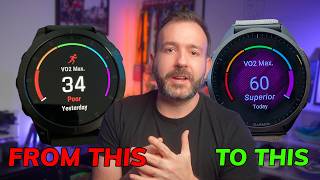
If you wear a Garmin smartwatch, you are likely familiar with the VO2 Max metric. It serves as a primary indicator of your cardiovascular fitness, representing the maximum amount of oxygen your body can utilize during intense exercise. When you see that number fluctuate on your dashboard, the natural question is: How long does it take to actually improve it?
Improving your VO2 max is not an overnight process. Because it involves physiological adaptations in both your heart and your muscles, it requires consistent training and time. Let's break down how the timeline works and what influences your progress.
The Short-Term Window: 2 to 4 Weeks
For many users, especially those returning to fitness after a break, you may see an uptick in your Garmin VO2 max within the first few weeks. However, it is important to distinguish between actual physiological improvement and algorithm calibration.
- Algorithm Adjustment: Garmin calculates VO2 max based on the relationship between your heart rate and your pace. As your body becomes more efficient at a specific pace, your heart rate drops, which the watch interprets as an increase in fitness.
- Plasma Volume Expansion: In the first 14 to 28 days of a new training program, your body increases its blood plasma volume. This improves stroke volume (the amount of blood pumped per beat), leading to early gains.
The Mid-Term Window: 8 to 12 Weeks
Significant, sustainable improvements in VO2 max typically occur in the 2-to-3-month window. This is where the real biological changes happen. During this period, your body undergoes several adaptations:
- Mitochondrial Density: Your muscles develop more mitochondria, the "powerhouses" of the cell that use oxygen to create energy.
- Capillarization: Your body grows more capillaries, improving the delivery of oxygenated blood to working muscles.
- Cardiac Output: The left ventricle of your heart may grow stronger and more efficient, allowing it to pump more oxygenated blood with every contraction.
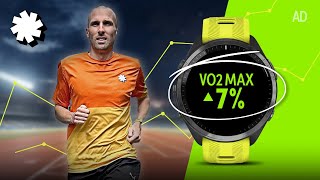
If you are following a structured plan—such as a 7-week training program designed to increase speed and efficiency—you can expect to see a steady climb in your Garmin score during this phase.
The Long-Term Window: 6 Months and Beyond
Once you reach a higher level of fitness, the "low-hanging fruit" is gone. Improvements become marginal and take much longer to achieve. For experienced athletes, increasing a VO2 max score by even one or two points can take six months or more of targeted, high-intensity interval training (HIIT) and strategic aerobic base building.
Factors That Influence Your Garmin VO2 Max Score
It is important to remember that a Garmin watch does not measure oxygen directly; it estimates it. Several factors can influence how long it takes for your score to move:
1. Heart Rate Accuracy
If you use a wrist-based optical sensor, "cadence lock" or signal noise can lead to inaccurate heart rate readings. Using a chest strap heart rate monitor provides more precise data, which helps the Garmin algorithm update your VO2 max more accurately and quickly.
2. Consistency and Intensity
You cannot improve VO2 max by staying in your comfort zone. To see the number move, you need a mix of:
- Zone 2 Training: Long, slow distance runs that build the aerobic base.
- High-Intensity Intervals: Workouts that push your heart rate to 90-95% of its maximum to force the heart to adapt.
3. Recovery and Sleep
Fitness gains do not happen during the workout; they happen during recovery. Without adequate sleep and nutrition, your body cannot repair the tissues or expand blood volume, stalling your VO2