Understanding the H&R Anti-Roll Bar: Enhancing Vehicle Stability
When upgrading a vehicle's suspension, many enthusiasts focus primarily on lowering springs or coilovers. However, one of the most effective ways to refine handling and reduce body roll is the installation of an H&R anti-roll bar. Also commonly referred to as a sway bar, this component is critical for maintaining a flat cornering profile and improving overall chassis stability.
What is an Anti-Roll Bar?
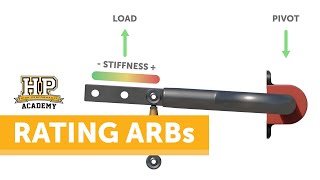
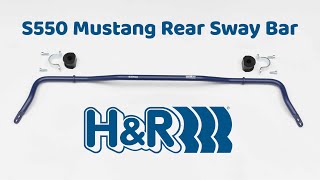
An anti-roll bar is a U-shaped piece of spring steel that connects opposite wheels—either on the front axle or the rear axle. Its primary function is to reduce the body roll of a vehicle during fast cornering. When a car turns, centrifugal force pushes the body toward the outside of the curve. The anti-roll bar resists this movement by transferring the force from the leaning side to the opposite side, effectively "pulling" the chassis back toward a level position.
H&R is renowned for producing high-quality sway bars that are engineered to balance performance with daily drivability. By increasing the stiffness of the bar compared to the factory equipment, H&R allows drivers to maintain higher speeds through turns with significantly less lean.
Benefits of Upgrading to H&R Anti-Roll Bars
Installing an upgraded rear or front anti-roll bar can transform the driving dynamics of a vehicle, whether it is a sports car or a heavy-duty VW van. The primary advantages include:
- Reduced Body Roll: The most immediate effect is a flatter cornering experience, which increases driver confidence and keeps the tire contact patch more consistent.
- Improved Steering Response: By limiting the movement of the chassis, the vehicle reacts more quickly to steering inputs, resulting in a "sharper" feel.
- Better Weight Distribution: Upgrading the rear sway bar can help mitigate understeer (where the car wants to go straight) by encouraging the rear end to rotate more effectively.
- Enhanced Stability: For taller vehicles or vans, an anti-roll bar is essential for safety and stability during sudden lane changes or windy conditions.
Front vs. Rear Anti-Roll Bars
Depending on the goals of the build, you may choose to upgrade the front, the rear, or both. The choice significantly impacts the vehicle's handling characteristics:
Front Sway Bars
A stiffer front bar generally increases stability but can lead to more understeer. It is often used to stabilize the front end of heavy vehicles or those with significant engine weight over the front axle.
Rear Sway Bars
Upgrading the rear anti-roll bar is one of the most common modifications for improving agility. A stiffer rear bar reduces understeer and helps the vehicle pivot more easily into a corner. This is particularly effective for front-wheel-drive vehicles that suffer from "plowing" during tight turns.
Installation and Setup Tips
Achieving the best results from an H&R anti-roll bar requires precise installation. While these components are designed as bolt-on upgrades, a few technical details can make a difference in performance:
- Check Clearance: Ensure that the new bar does not interfere with the chassis or other suspension components during full suspension compression.
- Lubricate Bushings: To prevent "squeaking" or "creaking" noises, it is recommended to apply a high-quality synthetic grease to the bushings during assembly.
- Verify Torque: Ensure all mounting bolts and end links are torqued to the manufacturer's specifications to prevent loosening under the high stress of cornering.
- Test and Tune: After fitting an upgraded rear bar, conduct a series of low-speed tests to feel the change in rotation before pushing the vehicle to its limits.
Conclusion: Is it Worth the Upgrade?
For those looking to bridge the gap between a stock suspension and a full race setup, the H&R