Discovering Grand Mesa: Colorado's Hidden Alpine Paradise
Just southeast of Grand Junction lies one of Colorado's most remarkable natural treasures — Grand Mesa. Known as the world's largest flat top mountain, this vast plateau rises to over 11,000 feet and offers a landscape unlike anything else in the state. For those who like an outdoor life, Grand Mesa provides an extraordinary playground featuring alpine lakes, dense forests, rugged trails, and sweeping vistas that stretch for miles in every direction.
Whether you are planning a weekend getaway or simply looking for a scenic drive through some of the most stunning terrain in the American West, Grand Mesa deserves a place on your itinerary. What makes this area so special is its combination of accessibility and raw wilderness. You can reach it quickly from the Western Slope, yet once you are up on the mesa, the sense of isolation and connection to nature feels profound.
Scenic Drives and Breathtaking Viewpoints
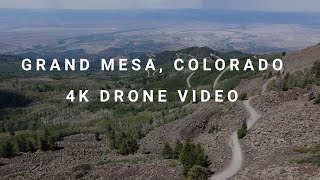
One of the best ways to experience Grand Mesa is by driving its network of paved and gravel roads. Lands End Road, in particular, has become a favorite among photographers and drone pilots seeking dramatic perspectives of the plateau. 4K drone footage captured along Lands End Road reveals the incredible scale of the mesa — the deep canyon walls dropping away below, the scattered alpine lakes glistening like jewels, and the endless expanse of conifer forest stretching toward the horizon.
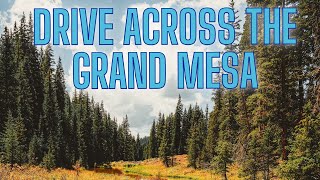
The drive itself is an adventure. You will pass turnoffs to numerous lake access points, pullouts for spontaneous photography stops, and areas where the road narrows and winds through thick stands of blue spruce and lodgepole pine. The elevation gain from Grand Junction to the summit of Grand Mesa is substantial, so take your time and enjoy the changing vegetation zones as you climb.
Visual diversity is one of the defining features of Grand Mesa. In autumn, the transformation is nothing short of spectacular. Aspen groves ignite into brilliant gold, contrasting sharply against the dark green of the evergreens and the deep blue of the mountain lakes. Many visitors report being amazed by the intensity of the fall colors — a palette so vivid and widespread that it is hard to look in any direction without being struck by another breathtaking view.
Lakes, Trails, and Outdoor Recreation
Grand Mesa is home to more than 300 alpine lakes, making it a prime destination for fishing, kayaking, canoeing, and wildlife viewing. Some of the most popular lakes include North Fork Lake, Crystal Lake, and Dawson Lake. Each offers a different character and set of amenities, ranging from developed boat ramps to remote backwater coves accessible only by foot.
Hiking trails crisscross the mesa at various difficulty levels. The Mesa Top Trail provides a longer, more immersive journey across the plateau, while shorter loop trails around individual lakes offer gentle walks suitable for families. In winter, the area transforms into a haven for snowshoeing, cross-country skiing, and fat-tire biking on snow-packed roads.
Fishing enthusiasts will find plenty to enjoy, with stocked trout in many of the lakes and native species in select waters. Regulations change periodically, so checking current Colorado Parks and Wildlife guidelines before your trip is recommended.
Camping Among the Pines
For those wishing to extend their stay, several campgrounds dot the mesa. Dawson Lake Campground is one of the most popular, offering sites close to the water with easy access to hiking and boating. However, experienced campers will tell you that timing matters. During warm summer months, mosquito populations can become intense around Dawson Lake and other low-lying areas near standing water. Bringing effective repellent, choosing a site with a breeze, and packing head nets for evening comfort are practical tips that make a significant difference.
Camping on Grand Mesa also means experiencing exceptional night skies. With minimal light pollution and high elevation, stargazing conditions are outstanding. On clear nights, the Milky Way stretches overhead in all its glory, and the stillness of the plateau creates a truly peaceful atmosphere.
Myths, Legends, and Cultural Significance
Beyond its physical beauty, Grand Mesa carries deep cultural meaning for Indigenous peoples of the region. The mesa features prominently in the myths and legends surrounding the Paiute and Ute nations, who have inhabited these lands for thousands of years. According to local tradition, Grand Mesa was formed during a great flood when a trickster figure transformed a group of people into stone, creating the massive flat-topped plateau that stands today as a permanent landmark.
These stories add a layer of reverence to the landscape, reminding visitors that they are walking through ground steeped in history and spiritual significance. Many trailheads and viewpoints display interpretive signs that share elements of these traditions, enriching the experience for those who take the time to read and reflect.
Planning Your Visit
Grand Mesa is accessible year-round, though some higher-elevation roads may be closed during winter months due to snow. The best visiting seasons are late spring through early fall, when wildflowers bloom and lake access is fully available. Fall, from mid-September through October, offers particularly rewarding scenery for photographers and nature lovers.
Whether you are drawn by the challenge of high-altitude hiking, the tranquility of a lakeside campsite, the thrill of aerial photography, or the desire to connect with a landscape rich in both natural and cultural heritage, Grand Mesa delivers an experience that lingers long after you leave. It is, quite simply, a very unique and beautiful place that rewards curiosity and preparation in equal measure.
```