Maximizing Student Learning with Figurative Language Anchor Charts
For educators teaching reading and writing, transitioning students from literal understanding to figurative interpretation can be a significant challenge. Figurative language anchor charts serve as essential visual scaffolds, providing students with a permanent reference point to identify and apply literary devices in their own work.
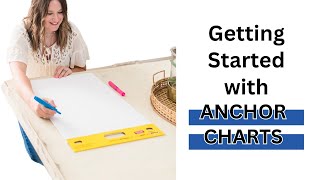
An anchor chart is more than just a poster; it is a living document created during a lesson to "anchor" the learning. When focusing on figurative language, these charts bridge the gap between complex definitions and practical application, helping students move toward a "show-don't-tell" style of writing.
Why Use Anchor Charts for Figurative Language?
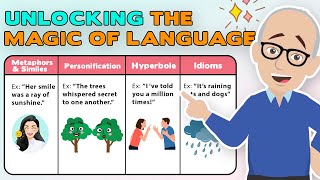
Figurative language—which includes metaphors, similes, personification, and hyperbole—can feel abstract to learners. Without a visual guide, students often confuse these terms or rely on repetitive phrasing. A well-designed figurative language anchor chart provides several key benefits:
- Immediate Recall: Students can glance at the wall to remember the difference between a simile (using "like" or "as") and a metaphor (direct comparison).
- Standardized Definitions: It ensures the entire class uses the same terminology and criteria for identifying literary devices.
- Confidence in Writing: By having examples readily available, students feel more comfortable experimenting with descriptive language in their essays and stories.
Key Components of an Effective Figurative Language Chart
To create a high-impact resource, teacher-made reading materials should focus on clarity and accessibility. A comprehensive chart should include the following elements:
1. Clear Definitions
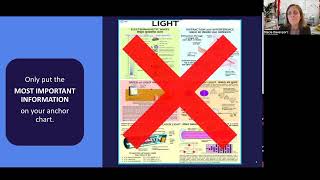
Avoid overly academic jargon. Use student-friendly language. For example, instead of saying "hyperbole is an intentional exaggeration for emphasis," you might write, "hyperbole is a giant exaggeration used to make a point."
2. Side-by-Side Examples
Contrast is the best way to teach figurative language. Place a literal sentence next to a figurative one to show the difference in impact:
- Literal: The room was very messy.
- Figurative: The room looked like a tornado had hit it.
3. Visual Cues and Icons
Visuals help students associate a concept with an image. A small drawing of a magnifying glass next to "imagery" or a speech bubble next to "onomatopoeia" can help English Language Learners (ELL) and visual learners navigate the chart more efficiently.
4. The "Show-Don't-Tell" Connection
One of the most powerful uses of a figurative language anchor chart is supporting show-don't-tell metaphor writing. Instead of telling the reader a character is nervous, the chart can prompt the student to use a metaphor, such as "his stomach was a nest of fluttering butterflies."
How to Implement Anchor Charts in the Classroom
The most effective anchor charts are not pre-printed and bought from a store; they are co-created with the students. Here is a suggested workflow for introducing these tools:
- The Discovery Phase: Read a short text and ask students to find phrases that aren't meant to be taken literally.
- The Collaborative Build: As students identify these phrases, write them on the chart. Let the students help define the terms in their own words.
- The Application Phase: Challenge students to use one device from the chart in their daily writing journal.
- The Evolution: Add new, student-generated examples to the chart throughout the semester to keep the resource relevant and engaging.
Integrating Digital and Physical Resources
While physical posters are invaluable for the classroom environment, integrating them with digital resources can extend learning. Many educators find success by photographing their handmade charts and uploading them to a class blog or website. This allows students to access the figurative language anchor chart explained during homework sessions or remote