Exploring the Iconic Euro 2024 Stadiums
The UEFA European Championship 2024 brought together the finest talent in international football, hosted across Germany. The tournament was defined not only by the tactical battles on the pitch but also by the architectural brilliance and atmosphere of the Euro 2024 stadiums. From the opening whistle to the final trophy lift, these venues provided the stage for historic moments.
Whether it was the early sparks of brilliance from players like Florian Wirtz in the opening match or the decisive clinical finish from Mikel Oyarzabal in the final to secure Spain's victory, the infrastructure of the host cities played a pivotal role in the tournament's success.
The Selection Process and Brand Identity
UEFA utilized a rigorous selection process to ensure that each venue met the highest international standards for safety, capacity, and accessibility. The selected stadiums were chosen based on their ability to handle massive crowds while providing a premium experience for fans and athletes alike.
Complementing the physical venues was the distinct brand identity for UEFA Euro 2024. This visual language was integrated into the stadium wraps, fan zones, and digital displays, creating a cohesive aesthetic that blended traditional German football culture with a modern, vibrant tournament feel.
Key Venues of the Tournament
Germany is well-known for its deep footballing heritage, and the stadiums used in 2024 reflected this legacy. Here is a rundown of some of the most prominent venues:
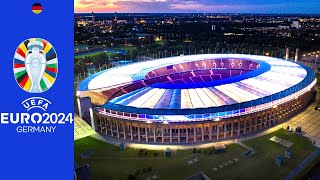
- Olympiastadion, Berlin: As the crown jewel of the tournament, Berlin hosted the final. Its massive capacity and historic aura made it the ideal location for the championship match.
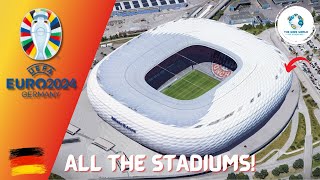
- Munich Football Arena: Known for its cutting-edge design and atmosphere, this venue hosted several high-stakes matches, including the opening game.
- Signal Iduna Park, Dortmund: Famous for the "Yellow Wall," this stadium provided one of the most intimidating and electric atmospheres for visiting teams.
- Volksparkstadion, Hamburg: A modern facility that seamlessly integrated fan experience with high-performance sports infrastructure.
The Impact of Stadium Atmosphere on Performance
The relationship between the crowd and the players is a cornerstone of European football. In Euro 2024, the proximity of the stands to the pitch in several venues amplified the pressure and excitement. This energy contributed to a high-scoring tournament, where fans witnessed a total of 117 goals across the competition.
The distribution of these goals across the different stadiums highlighted the diversity of the tournament, from tactical stalemates to explosive offensive displays. The quality of the turf and the modern drainage systems ensured that the high tempo of the game was maintained even during unpredictable summer weather.
Fan Experience and Logistics
Beyond the grass, the Euro 2024 stadiums were hubs of activity. UEFA implemented comprehensive fan zones surrounding the venues, allowing supporters to engage with the tournament even if they didn't have a ticket for every single match. The integration of public transport and sustainable mobility plans helped move millions of fans efficiently between the host cities.
For those looking to commemorate the tournament, wearing the colors of their team is a tradition. You can order your jersey here and get a $5 coupon at SocceratoZ, and remember to use the 10% discount code at checkout to complete your match-day look.
Conclusion: A Lasting Legacy
The Euro 2024 stadiums did more than just host games; they served as symbols of national pride and international unity. By combining historic sites with modern upgrades, Germany provided a blueprint for how major sporting events should be organized.
From the first goal of the tournament to the final whistle in Berlin, the venues stood as silent witnesses to the drama, heartbreak, and triumph of international football. As the tournament concludes, these stadiums remain as landmarks of a summer where football once again captured the world'