What Is an Emotional Check-In?
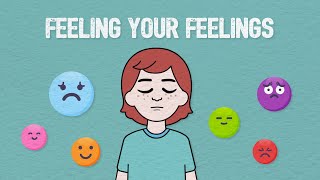
An emotional check-in is a simple practice that invites you to pause and notice how you are feeling in the present moment. It asks one straightforward question: How am I today?
This question sounds basic, but it is not one that most of us ask ourselves regularly. As humans, we spend a lot of time thinking about or talking about our feelings instead of actually feeling them. An emotional check-in shifts that pattern by bringing your attention back to the here and now.
The practice does not require any special tools or long stretches of time. It can take thirty seconds or several minutes, and it works just as well for adults as it does for children.
Why Emotional Check-Ins Matter
Are you aware of what you are feeling most of the time? If you are not, you are definitely not alone. Most of us go through the day on autopilot, reacting to events without recognizing the emotions shaping our responses.
When we name what we are feeling, we give our brain a chance to process the experience. This small act of awareness can lower stress, improve decision-making, and help us communicate more clearly with others. For young children, building this habit early lays the foundation for lifelong emotional health.
Benefits for Children
- Better self-regulation: When children can identify their feelings, they are less likely to be overwhelmed by them.
- Improved communication: A child who knows the words for what they feel can express needs instead of acting out.
- Stronger relationships: Understanding your own emotions helps children recognize emotions in others, building empathy from an early age.
- Daily emotional literacy: Regular check-ins make feelings a normal topic of conversation rather than something scary or confusing.
Benefits for Adults
- Reduced reactivity: Noticing an emotion before responding gives space between feeling and action.
- Greater self-awareness: Routine check-ins help you spot patterns in your emotional life over time.
- Better mental health habits: Just like physical exercise strengthens the body, emotional check-ins strengthen psychological resilience.
How to Practice an Emotional Check-In
Practicing emotional check-ins is easy once you know the steps. The key is consistency, not complexity.
For Kids
- Pick a consistent moment: Morning meetings, before lunch, or right after school work well as daily touchpoints.
- Ask the question: "How am I today?" gives children a clear prompt.
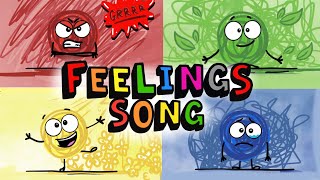
- Make it fun: Sing along with songs like "How Am I Today?" by the Scribbles Crew, which turns emotional vocabulary into a catchy, memorable experience.
- Use visuals: Feeling cards, emoji charts, or color-coded mood meters help young children connect abstract emotions with concrete symbols.
- Model it yourself: Children learn by watching adults name their own feelings openly and respectfully.
For Adults
- Pause and breathe: Take three slow breaths to shift out of automatic mode.
- Name the feeling: Ask yourself, "What am I feeling right now?" Be honest and specific—words like "frustrated," "anxious," or "content" are more useful than generic labels.
- Notice where it lives in your body: Emotions often show up physically. Tight shoulders, a clenched jaw, or a light chest can all provide clues about what you are experiencing.
- Accept without judgment: Every feeling is valid. The goal is awareness, not approval or rejection of the emotion itself.
- Reflect later: Over days and weeks, review your check-ins to see if patterns emerge.
Building an Emotional Check-In Routine
Teachers such as Mrs. Wagenleitner, who works with transitional kindergarten students, show how powerful daily social-emotional learning routines can be. By weaving emotional check-ins into the start of each school day, educators create classrooms where children feel seen and supported.
You do not need a formal curriculum to build this habit at home. A few gentle questions during dinner, bedtime, or car rides can become just as effective. The best routine is one you can sustain consistently.
Whether you are teaching four-year-olds to name their first emotions or helping older students navigate complex feelings, emotional check-ins offer a simple, evidence-based tool for fostering awareness and connection every single day.
```