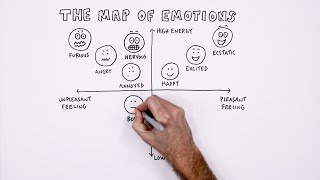
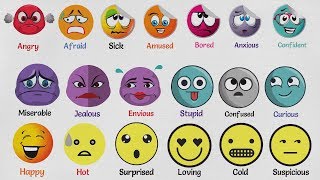
What Is an Emotion Chart With Faces?
An emotion chart with faces is a visual tool that pairs simple facial expressions with the names of basic feelings. By using clear, child‑friendly drawings—or emojis—learners can quickly identify and label their internal states. Teachers, therapists, and parents often display these charts on walls, desks, or digital screens to support emotional literacy.
Why Use a Face‑Based Emotion Chart?
Human beings are wired to read facial cues. When a chart shows a smiling face for happiness or a furrowed brow for anger, children can match their own expressions to the images without needing advanced vocabulary. This visual‑verbal link:
- Boosts self‑awareness and regulation.
- Facilitates communication for non‑verbal or English‑language learners.
- Provides a quick reference for teachers during social‑emotional lessons.
The Seven Basic Emotions Represented on Most Charts
Psychologists widely recognize seven core emotions that appear on most emotion charts with faces. Each can be illustrated with a distinct drawing or an emoji.
- Surprise – wide eyes, raised eyebrows.
- Happiness – big smile, crinkled eyes.
- Anger – clenched jaw, furrowed brows.
- Disgust – wrinkled nose, pursed lips.
- Contempt – one side of the mouth lifted, slight eye roll.
- Sadness – downturned mouth, teary eyes.
- Fear – widened eyes, open mouth.
These categories align with research on universal facial expressions, making them reliable anchors for any educational setting.
Design Tips for a Kid‑Friendly Emotion Chart With Faces
Choose Clear, Simple Illustrations
Whether you draw the faces yourself or use emojis, keep lines bold and colors bright. A simple smiley (😊) works better than a detailed portrait for younger children.
Include Text Labels
Place the emotion word directly beneath each face. Use a legible font size and, if possible, a second language label for bilingual classrooms.
Make It Interactive
Attach Velcro tabs or magnetic backs so kids can move a marker token to the face that matches how they feel. Interactive charts turn passive observation into active learning.
Integrate Into Daily Routines
Start the day with a quick “emotion check‑in.” Ask, “How do you feel right now?” and let each child point to the chart. This habit normalizes emotional expression and builds vocabulary such as “hungry,” “hot,” or “tired” alongside the core emotions.