Does The King Of Spain Wear A Crown?
When imagining a monarch, the image of a gold, jewel-encrusted crown resting on the head of a ruler is often the first thing that comes to mind. However, when it comes to the current monarch of Spain, the answer is more nuanced. While Spain possesses a magnificent physical crown, the King of Spain does not wear it in the traditional sense during his daily duties or even during the most formal state ceremonies.
The Symbolism of Spain's Crown
The Spanish Crown is a powerful symbol of the state and the monarchy, but it is rarely, if ever, physically placed on the monarch's head. In the Spanish tradition, the crown is treated as a symbolic object rather than a piece of wearable attire. This practice distinguishes the Spanish monarchy from some other historical traditions where the physical act of crowning was the central focus of the transition of power.
During official events, such as the opening of the Cortes Generales (the Spanish Parliament), the crown is typically displayed on a velvet cushion near the King. This signifies that the authority of the crown resides with the monarch, but the physical weight of the object is unnecessary for the exercise of that authority.
The Absence of a Formal Coronation
One of the primary reasons the King of Spain does not wear a crown is the absence of a formal coronation ceremony. Unlike the United Kingdom, where the coronation is a lavish, highly choreographed event involving the physical placement of the St. Edward's Crown on the sovereign's head, Spain utilizes a proclamation.
When King Felipe VI ascended to the throne in 2014, he did not undergo a coronation. Instead, he was proclaimed King in a ceremony that emphasized the constitutional nature of the Spanish monarchy. This low-key approach is partly a reflection of the modern era and a desire to maintain a stable, constitutional image, avoiding the potential for scandal or perceived extravagance during times of economic scrutiny.
Lineage and European Connections
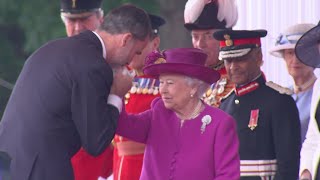
The Spanish royal family is deeply intertwined with other European dynasties. King Felipe VI shares a complicated lineage that connects him to various royal houses across the continent, including a distant but significant connection to the late Queen Elizabeth II. These familial ties highlight the shared history of European nobility, though the traditions regarding regalia have diverged significantly over the centuries.
While the British monarchy maintains a strong visual link to its medieval roots through the use of the crown during the coronation, the Spanish monarchy has evolved to prioritize a more streamlined, administrative presence. The focus has shifted from the divine right of kings—symbolized by the crown—to the role of the monarch as a symbol of national unity and stability.
The Role of Regalia in Modern Spain
Despite not wearing the crown, the King of Spain still utilizes other forms of regalia to denote his status and the solemnity of the occasion. These include:
- The Royal Sash: Worn during state banquets and formal receptions.
- Military Uniforms: As the Commander-in-Chief of the Spanish Armed Forces, the King frequently wears formal military attire.
- Orders and Decorations: Various medals and collars of chivalric orders are worn to signify rank and international diplomatic ties.
Conclusion
In summary, while Spain's crown exists as a stunning piece of historical jewelry and a potent symbol of sovereignty, the King of Spain does not wear it. The transition from a coronation to a proclamation reflects the evolution of the Spanish monarchy into a constitutional entity. By focusing on the symbolic presence of the crown rather than its physical use, the Spanish monarchy balances its rich historical heritage with the expectations of a modern democratic society.