Analyzing the Dark End Scene: The Emotional Climax of Netflix's Time-Travel Epic
Few series in the history of streaming have managed to weave a narrative as complex and emotionally taxing as Dark. The Netflix original series challenged viewers to track multiple timelines, ancestral paradoxes, and the philosophical struggle between determinism and free will. However, it is the Dark end scene that remains the most discussed aspect of the show, providing a resolution that is as haunting as it is satisfying.
The Narrative Weight of Season 3, Episode 8
The finale of Dark, specifically Season 3 Episode 8, serves as the ultimate convergence point for every character and timeline established since the first episode. Throughout the series, the characters were trapped in an endless loop of suffering, driven by the desire to save loved ones. The end scene represents the breaking of this cycle, but it comes at a devastating cost.
The resolution reveals the existence of an "Origin World," the primary reality from which the two mirrored worlds branched. To stop the infinite loop of pain, the protagonists realize that they—and everyone born from the tangled web of time travel—must cease to exist. This realization transforms the finale from a sci-fi puzzle into a profound meditation on sacrifice and mortality.
The Role of Music: Soap&Skin's "What a Wonderful World"
One of the most critical elements of the Dark end scene is the auditory experience. The use of Soap&Skin's cover of "What a Wonderful World" elevates the emotional stakes of the finale. Unlike the original optimistic version of the song, the Soap&Skin rendition is stripped down, melancholic, and eerie.
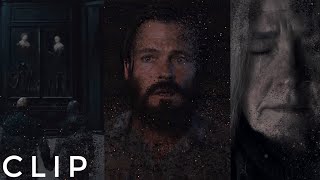
This musical choice mirrors the duality of the show. While the lyrics speak of a "wonderful world," the haunting melody underscores the tragedy of the characters' erasure. As the characters fade away, the music bridges the gap between the horror of their disappearance and the peace of their liberation. It signals that while the world they knew is ending, the cycle of suffering is finally broken.
Key Themes Explored in the Finale
- Determinism vs. Free Will: For three seasons, the characters believed they were puppets of fate. The end scene proves that while the loop seemed inevitable, a singular act of selfless will could rewrite existence.
- The Nature of Love: The catalyst for the entire series was love—specifically, the desire to reunite families. Ironically, the only way to truly "save" those they loved was to ensure they were never born into the cycle of pain.
- The Concept of Nothingness: The finale suggests that oblivion is preferable to a life of eternal repetition and grief.
Why the Ending Resonates with Viewers
Many viewers return to watch the final scenes of Dark because of the meticulous attention to detail. The cinematography uses a muted palette that emphasizes the gloom of Winden, making the eventual transition to the Origin World feel like a spiritual cleansing.
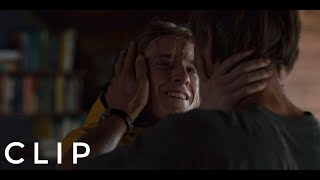
The ending avoids the common trope of a "happy ending" where everyone survives. Instead, it offers a poignant ending. By focusing on the small, human moments—the looks of recognition and the final embraces—the show ensures that the audience feels the weight of the loss. The final shots of the Origin World, featuring characters who survived because they were not part of the paradox, provide a glimmer of hope and a sense of closure.
Conclusion: A Masterclass in Storytelling
The Dark end scene is more than just a plot resolution; it is the emotional payoff for hours of intricate storytelling. By blending a complex plot with raw human emotion and a haunting soundtrack, Netflix delivered a conclusion that respects the intelligence of its audience.
Whether you are revisiting the series to watch for clues you missed or experiencing the finale for the first time, the end of Dark stands as a testament to the power of cohesive narrative planning. It reminds us that sometimes, the only way to move forward is to let go