Community Helpers Booklet: A Hands‑On Guide for Young Learners
Understanding the people who keep a town running—firefighters, nurses, mail carriers, and many others—helps children develop empathy, curiosity, and a sense of belonging. A community helpers booklet offers a portable, visual, and interactive way to explore these occupations. Below you’ll find a step‑by‑step framework for creating and using such a booklet, plus ideas for linking it to class discussions, storytelling adventures, unit‑study plans, and digital resources.
What Is a Community?
A community is a place where many people live and work together, sharing resources, responsibilities, and common goals. Within that ecosystem, community workers—the teachers, police officers, sanitation crews, and health professionals—play essential roles that keep daily life safe, healthy, and enjoyable. Introducing children to these roles early on builds a foundation for civic awareness and respect.
Why Teach About Community Helpers?
- Connect learning to real life. Children see the relevance of school subjects when they can link math, reading, or science to a firefighter’s ladder length or a doctor’s dosage chart.
- Develop language and classification skills. Describing jobs encourages vocabulary growth and the ability to group occupations by function (e.g., “people who protect,” “people who heal”).
- Foster social‑emotional growth. Recognizing the contributions of helpers nurtures gratitude and a sense of purpose.
- Support career awareness. Early exposure can spark interest in future pathways, especially when children can imagine themselves in those roles.
Using a Community Helpers Booklet in the Classroom
Integrate the booklet into class discussions about occupations by rotating a “helper of the week” focus. Ask open‑ended questions such as:
- What tools does this helper use?
- How does this job help our community stay safe or healthy?
- What skills do you think are important for this role?
Students can record answers directly in the booklet, creating a living document that grows with each lesson.
Designing Your Own Community Helpers Booklet
1. Flip‑Book FormatA flip book is simple to assemble with cardstock, a stapler, and colorful illustrations. Each page can feature:
- A bold title (e.g., “Firefighter”).
- A short description of duties.
- A space for a child’s drawing or a printed picture.
- A “Did you know?” fact box.
Include a series of clues that describe a helper without naming the job. Children guess the occupation, then flip the page to reveal the answer and a brief profile. This game reinforces critical thinking and reading comprehension.
3. Helper ProfilesDedicate a two‑page spread to each occupation:
- Job title and illustration.
- Typical workday. (e.g., “A nurse checks patients’ temperature, gives medicine, and comforts families.”)
- Tools and uniforms.
- Education pathway. (simple steps like “finish high school → attend nursing school.”)
Make learning active with:
- Word searches featuring job‑related terms.
- Crossword puzzles that use the “Who Am I?” clues as prompts.
- Matching games where children pair tools with the correct helper.
- Simple role‑play scripts that let kids act out a day in the life of a community worker.
Storytelling Integration: Join Zola on Her Quest
Stories capture imagination. Use the narrative of “Join Zola on her thrilling quest” as a framing device: Zola travels through town, meeting a librarian, a bus driver, a farmer, and a park ranger. After each encounter, children add a new page to the booklet that records what Zola learned. This approach blends literacy practice with occupational awareness, sparking a sense of purpose and self‑discovery.
Unit‑Study Plans: A Structured Path
For teachers who prefer a comprehensive approach, incorporate the booklet into a larger unit study. A typical three‑week plan might look like:
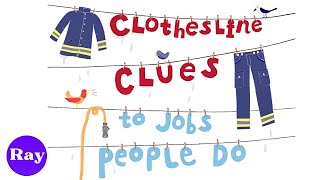
- Week 1 – Exploration. Introduce the concept of community, read a picture book (e.g., Clothesline Clues to Jobs People Do by Kathryn Heling and Deborah Hembrook), and begin the flip‑book.
- Week 2 – Deep Dive. Invite a local helper (firefighter, mail carrier) for a classroom visit, then complete “Who Am I?” pages based on the visit.
- Week 3 – Reflection. Children present their favorite helper, explain why they admire that role, and write a short “thank‑you” note that can be mailed to the real helper.
This structure mirrors the “3rd unit study plans for my littles” shared by many early‑childhood educators, providing clear directions, resources, and assessment ideas.
Digital Support: Kids Academy App
Many parents and educators are turning to the Kids Academy learning app for supplemental practice. The app offers interactive videos, quizzes, and printable worksheets that align with the community helpers booklet. While the booklet remains a tactile, hands‑on tool, the app reinforces concepts through gamified learning, making real learning truly fun.
Recommended Reading
To enrich the booklet’s content, consider adding excerpts from Clothesline Clues to Jobs People Do. The book’s engaging riddles and vivid illustrations provide additional clues for the “Who Am I?” sections and inspire children to think creatively about each occupation.
Tips for Parents and Educators
- Personalize the booklet. Include photos of local helpers your child has met, or let them draw a portrait of a family member who works in the community.
- Use real‑world field trips. A short walk to the post office or a visit to a fire station turns abstract concepts into concrete experiences.
- Encourage reflection. After each activity, ask children to write or dictate one thing they appreciated about the helper they learned about.
- Connect to other subjects. Math can involve counting tools, science can explore how a doctor uses a stethoscope, and art can focus on designing uniforms.
Conclusion
A well‑crafted community helpers booklet bridges the gap between classroom learning and everyday life. By combining flip‑book design, mystery “Who Am I?” pages, engaging activities, and storytelling adventures like Zola’s quest, educators create a multi‑sensory experience that nurtures curiosity, respect, and early career awareness. Pair the booklet with unit‑study plans, supportive apps such as Kids Academy, and beloved titles like Clothesline Clues to Jobs People Do, and you’ll have a comprehensive toolkit that makes learning about community workers both fun and meaningful.


![Flip book on Community helpers [ WHO AM I ]](https://i.ytimg.com/vi/1OdcB4gEIus/mqdefault.jpg)