Exploring Christopher Nolan's Film About Rival Stage Magicians
When discussing the intersection of cinematic structure and narrative illusion, few films stand as tall as The Prestige. Directed by Christopher Nolan, this 2006 masterpiece serves as a profound exploration of obsession, sacrifice, and the lengths to which an artist will go to achieve perfection. At its core, it is a gripping story about two brilliant stage magicians whose professional competition devolves into a deadly game of one-upmanship.
The Narrative Engine: Rivalry and Obsession
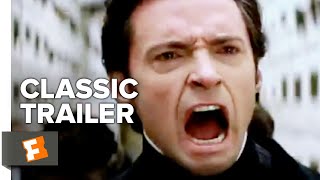
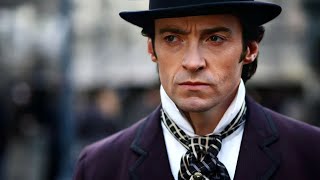
Dive into the world of The Prestige, and you will find a story set in the atmospheric landscape of Victorian London. The plot centers on two magicians, Robert Angier (played by Hugh Jackman) and Alfred Borden (played by Christian Bale). What begins as a mutual respect for the craft quickly turns into a bitter rivalry following a tragic accident during a performance.
The tension in the film is driven by the desire to create the ultimate illusion. Specifically, both men become obsessed with a trick known as "The Transported Man." While one magician possesses a seamless execution of the trick, the other is driven by an insatiable need to uncover the secret behind it. This pursuit leads them down a dark path where the line between professional rivalry and personal vendetta disappears.
The Structure of a Magic Trick
Christopher Nolan is well-known for his non-linear storytelling, and in this film, he mirrors the structure of the movie after the structure of a magic trick. Early in the film, the narrative explains that every trick consists of three parts:
- The Pledge: The magician shows you something ordinary.
- The Turn: The magician takes the ordinary thing and makes it do something extraordinary.
- The Prestige: The final act, where the object is brought back.
By applying this logic to the screenplay, Nolan treats the audience as the spectator. The film utilizes a complex series of flashbacks and journals, layering information in a way that mimics a sleight of hand. Just as the characters are trying to deceive one another, the film subtly deceives the viewer, leading toward a climax that recontextualizes everything seen previously.
Themes of Sacrifice and Identity
Beyond the spectacle of stage magic, the film delves into the psychological cost of ambition. Both Angier and Borden are defined by their commitment to their craft, but this commitment requires a total erasure of their personal lives. The Prestige asks a haunting question: How much of yourself are you willing to sacrifice for your art?
The "deadly" nature of their competition is not just physical, but spiritual. As they strive to outdo each other, they lose their identities, their families, and their morality. The film suggests that the true "prestige" of a great trick is the secret burden the magician must carry—a burden that often involves immense suffering or loss.
Technical Mastery and Casting
The success of the film relies heavily on the performances of its leads. Hugh Jackman brings a polished, showman-like charisma to Angier, while Christian Bale provides a grounded, gritty intensity as Borden. Their chemistry creates a palpable friction that sustains the movie's momentum.
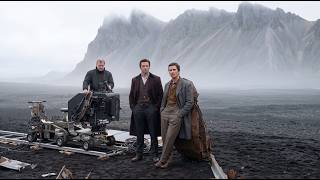
From a technical standpoint, Nolan’s direction ensures that the period setting feels authentic and claustrophobic. The use of lighting and sound design enhances the mystery, making the theaters and laboratories feel like spaces where the laws of nature might be bent.
Legacy of The Prestige
Years after its release, The Prestige remains a favorite among cinema enthusiasts for its intellectual rigor. It is a rare example of a film that rewards multiple viewings; once the final twist is revealed, the viewer can watch the movie again to see the clues that were hidden in plain sight from the beginning.
Audiences knew well in advance that there were two protagonists fighting for dominance, but the brilliance of the film lies in how it hides the truth of that dominance. It remains a definitive example of Christopher Nolan's ability to blend