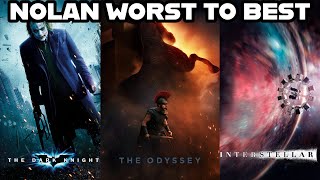
Christopher Nolan Movies: Best to Worst
Christopher Nolan is widely regarded as one of the most influential filmmakers of the 21st century. Known for his obsession with time, memory, and practical effects, Nolan has crafted a filmography that blends high-concept science fiction with deeply human emotional cores. With 13 feature films under his belt, ranking his work is a challenge, as his style has evolved from gritty indie thrillers to massive IMAX spectacles.
Whether you are a fan of the Dark Knight trilogy or the mind-bending layers of Inception, understanding the trajectory of his career provides insight into how he redefined the modern blockbuster. Here is a comprehensive look at the ranking of Christopher Nolan movies from best to worst.
The Masterpieces: The Top Tier
At the top of the list are the films that redefined their respective genres. Oppenheimer stands as a crowning achievement, blending a biographical study with a tense, non-linear structure to explore the morality of the atomic bomb. Its precision in editing and sound design cements it as one of his strongest works.
Closely following is The Dark Knight. More than just a superhero movie, it is a crime epic that explores the chaos of anarchy versus the rigidity of the law. Heath Ledger’s performance as the Joker remains a benchmark for cinematic villains, and the film's tight pacing ensures it remains timeless.
Inception and Interstellar round out the top tier. Inception is a masterclass in world-building, introducing the concept of dream architecture with a level of complexity that rarely feels confusing. Meanwhile, Interstellar captures the scale of the cosmos while focusing on the intimate bond between a father and daughter, utilizing scientifically grounded visuals to create an awe-inspiring experience.
The Strong Contenders: The Middle Tier
The middle of Nolan's filmography consists of movies that are technically flawless but perhaps lack the universal impact of his top-tier hits. The Prestige is often cited as a "hidden gem" among his works. This tale of rival magicians is structured like a magic trick itself, rewarding viewers who pay close attention to every detail.
Memento is the film that put Nolan on the map. By telling its story in reverse, it forces the audience to experience the protagonist's short-term memory loss firsthand. It remains a brilliant exercise in narrative structure. Similarly, Dunkirk showcases Nolan's ability to build tension without relying heavily on dialogue, using three intersecting timelines (land, sea, and air) to depict the desperation of war.
The Dark Knight Rises and Batman Begins are essential pieces of the trilogy. While Begins successfully grounded the Batman mythos in realism, Rises provided a grand, if slightly bloated, conclusion to the arc of Bruce Wayne.
The Experimental and Flawed: The Bottom Tier
Even a director of Nolan's caliber has films that don't quite land. Tenet is perhaps his most polarizing work. While the concept of "time inversion" is intellectually stimulating, many viewers found the dialogue clunky and the plot overly mechanical, sacrificing emotional resonance for technical complexity.
Insomniac is a solid thriller, but it lacks the distinct "Nolan touch" found in his other works. It feels more like a traditional procedural than a conceptual puzzle. Finally, while Following is an impressive debut for a low-budget indie film, it lacks the polish and scale of the 12 films that followed it.
What Makes a Nolan Film?
When analyzing Christopher Nolan movies from best to worst, several recurring themes emerge that define his cinematic language:
- Non-Linear Storytelling: From the reverse chronology of Memento to the inverted time of Tenet, Nolan rarely tells a story from A to Z.
- Practical Effects: Nolan famously avoids CGI whenever possible, opting to blow up real