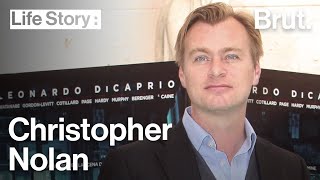
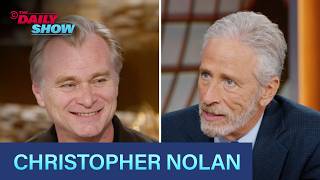
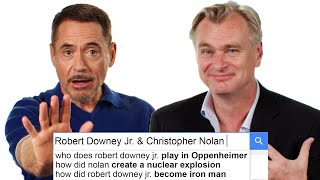
Christopher Nolan Biography: The Architect of Modern Cinema
Christopher Nolan is widely regarded as one of the most influential filmmakers of the 21st century. An Oscar-winning director, writer, and producer, Nolan has carved a unique niche in Hollywood by blending high-concept intellectual puzzles with massive commercial appeal. His career is defined by a commitment to practical effects, non-linear storytelling, and an exploration of the human psyche.
Early Life and Artistic Beginnings
Born in London, Christopher Nolan displayed an early fascination with the mechanics of storytelling and the visual power of cinema. Unlike many modern directors who rely heavily on digital manipulation, Nolan developed a deep respect for the traditional craft of filmmaking. This foundation led him to experiment with short films and narrative structures that challenged the audience's perception of time and memory.
His transition from independent filmmaking to the global stage was marked by a refusal to compromise on his artistic vision. Even as he moved into big-budget studio productions, he maintained the curiosity of an experimental filmmaker, treating every project as an opportunity to push the boundaries of the medium.
The Rise to International Acclaim
Nolan's ascent in the film industry was accelerated by his ability to balance critical prestige with box office success. He became known for his "bold and experimental" approach, creating films that demand the viewer's full attention and active participation.
- The Dark Knight Trilogy: Nolan redefined the superhero genre by grounding it in realism and psychological depth, moving away from campy tropes to explore the morality of heroism and chaos.
- Inception: A masterclass in structural complexity, this film explored the architecture of dreams and the blurring line between subconsciousness and reality.
- Interstellar: Combining rigorous scientific theories regarding black holes and relativity with a poignant story of familial love, this film cemented his status as a visionary of the sci-fi genre.
These projects demonstrated his philosophy that audiences are willing to embark on complex journeys if the filmmaker gives them a compelling reason to believe in the world being presented.
Cinematic Style and Philosophies
What separates Christopher Nolan from his contemporaries is his insistence on authenticity. In an era dominated by CGI, Nolan is a staunch advocate for practical effects and the use of large-format film, such as IMAX. Whether he is crashing a real Boeing 747 or recreating a Parisian street, his goal is to provide a tactile experience for the audience.
Key Themes in Nolan's Work
Across his two-decade career, several recurring themes emerge in Nolan's filmography:
- The Nature of Time: From the reverse chronology of Memento to the time-dilation of Interstellar and the inverted flow of Tenet, time is often the primary antagonist or puzzle in his stories.
- Identity and Memory: He frequently explores how memories shape a person's identity and how those memories can be manipulated or lost.
- Obsession: His protagonists are often driven by a singular, all-consuming goal, reflecting the director's own meticulous approach to his craft.
Awards and Legacy
The industry has recognized Nolan's contributions through numerous accolades, including being a BFI Fellowship recipient. His ability to maintain a "genius" reputation stems not from a legendary IQ, but from his disciplined application of cinematic theory and his unwavering dedication to the theatrical experience.
By treating the cinema screen as a canvas for complex intellectual exploration, Christopher Nolan has proven that "smart" movies can also be "big" movies. He continues to inspire a new generation of filmmakers to prioritize storytelling, practical craftsmanship, and the courage to experiment with the narrative form.
Conclusion
Christopher Nolan remains a pivotal figure in contemporary art. Through his exploration of mysteries and marvels, he has bridged the gap between the avant-garde and the mainstream. As he continues to evolve, his body of work stands as a testament to the power of the imagination and the enduring appeal of the silver