Mastering Character Analysis Graphic Organizers for Better Reading Comprehension
Analyzing characters is a fundamental skill in literary study. Whether students are tackling a classic novel or a modern short story, understanding the motivations, traits, and evolutions of a character is key to uncovering the deeper themes of a text. However, many students often don't know where to start when faced with a complex protagonist or a nuanced antagonist.
Ever feel like a topic involves way too much information? When a story has a sprawling cast and intricate plot lines, the sheer volume of data can be overwhelming. This is where character analysis graphic organizers become essential tools for organizing thoughts and visualizing connections.
What is a Character Analysis Graphic Organizer?
A character analysis graphic organizer is a visual framework used to break down a character's identity into manageable categories. Instead of writing a traditional essay immediately, students use these tools to map out evidence from the text, ensuring that their conclusions are supported by specific quotes and actions.
By utilizing a structured layout, learners can move beyond surface-level descriptions (such as "the character is mean") and dive into deeper psychological analysis (such as "the character acts out of a fear of abandonment").
Types of Effective Character Organizers
Depending on the goal of the lesson, different organizers serve different purposes. Here are the most effective types used in classrooms today:
1. Character Traits Graphic Organizer
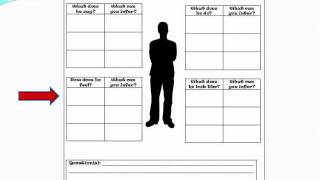
This is our most foundational tool. A Character Traits Graphic Organizer typically focuses on the distinction between internal and external traits. External traits include physical appearance and mannerisms, while internal traits focus on personality, beliefs, and values.
- Evidence-Based Analysis: Students list a trait (e.g., "resilient") and must provide a direct quote or a specific scene from the book as evidence.
- Inference Skills: This encourages students to infer traits based on behavior rather than relying on the author's explicit descriptions.
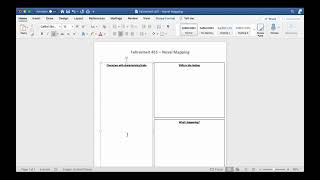
2. Novel Mapping - Characters & Traits
While a trait organizer focuses on one individual, Novel Mapping looks at the ecosystem of the story. This approach allows students to see how characters interact and how their traits clash or complement one another.
- Relationship Webs: Drawing lines between characters to define their relationships (e.g., rivals, allies, family).
- Comparative Analysis: Placing two characters side-by-side to analyze foils—characters who contrast with each other to highlight specific qualities.
3. Character Arc Maps
Characters rarely stay the same from the first chapter to the last. An arc map tracks the emotional and psychological journey of a character.
- The Beginning: Establishing the character's initial state and desires.
- The Inciting Incident: Identifying the event that forces the character to change.
- The Climax: Analyzing the moment of greatest tension where the character must make a pivotal choice.
- The Resolution: Determining how the character has evolved by the end of the narrative.
How to Implement Graphic Organizers in the Classroom
To get the most out of these tools, educators should integrate them into a step-by-step process. In a typical lesson, students will learn how to analyze a text by first skimming for key adjectives, then filling out a basic trait organizer, and finally synthesizing that information into a cohesive character sketch.
For those looking to enhance their presentations, integrating visual aids can be highly effective. For example, using digital tools to create visual summaries can help kinesthetic learners engage more deeply with the material. If you want to bring these concepts to life, you can make your own whiteboard animations to demonstrate character growth visually. Click here to learn more about creating animations.
The Benefits of Visualizing Character Data
Using graphic organizers