Mastering the Cell Structure Function Worksheet
Understanding the relationship between cell structure and function is a cornerstone of biological science. Whether you are a high school student preparing for a biology exam or a lifelong learner, using a cell structure function worksheet is one of the most effective ways to reinforce these complex concepts. By mapping specific organelles to their biological roles, students can transition from simple memorization to a conceptual understanding of how life operates at a microscopic level.
Why Use a Cell Structure Function Worksheet?
Biology is a visual science. While reading a textbook provides the necessary theory, a worksheet forces the learner to actively engage with the material. A well-designed worksheet typically requires students to identify an organelle, describe its physical structure, and explain how that structure enables its specific function.
For example, the mitochondria is often described as the "powerhouse of the cell." However, a comprehensive worksheet will push a student to explain why it is the powerhouse, focusing on the folded inner membrane (cristae) that increases surface area for ATP production. This connection between form and function is the key to mastering cellular biology.
Core Components of Cell Structure and Function
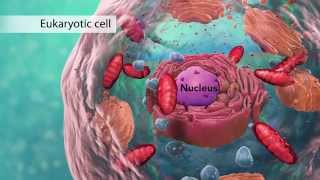
When working through a cell structure function worksheet, you will typically encounter two main categories: prokaryotic and eukaryotic cells. Within these, the focus is usually on the specialized organelles found in animal and plant cells.
Essential Organelles to Study
- Nucleus: The control center of the cell. It houses the genetic material (DNA) and coordinates cell activities like growth and reproduction.
- Cell Membrane: A semi-permeable lipid bilayer that regulates what enters and exits the cell, maintaining internal homeostasis.
- Ribosomes: Small structures responsible for protein synthesis, found either floating in the cytoplasm or attached to the endoplasmic reticulum.
- Endoplasmic Reticulum (ER): The "highway" of the cell. The Rough ER is studded with ribosomes for protein transport, while the Smooth ER synthesizes lipids.
- Golgi Apparatus: The post office of the cell, where proteins are modified, sorted, and packaged for secretion.
- Lysosomes: Containing digestive enzymes, these organelles break down waste materials and cellular debris.
- Vacuoles: Storage sacs for water, nutrients, or waste. They are significantly larger in plant cells to maintain turgor pressure.
Key Differences Between Plant and Animal Cells
A critical part of any cell structure function worksheet is the comparison between plant and animal cells. While they share many organelles, plant cells possess unique structures that allow them to survive without mobility and produce their own food.
- Cell Wall: A rigid outer layer made of cellulose that provides structural support and protection.
- Chloroplasts: The site of photosynthesis, containing chlorophyll to capture light energy and convert it into chemical energy (glucose).
- Large Central Vacuole: Unlike the small, temporary vacuoles in animal cells, plants have one large central vacuole that manages water storage and maintains cell rigidity.
Tips for Completing Your Biology Worksheets
To get the most out of your study sessions, combine your written worksheets with diverse learning media. Many students find success by integrating the following strategies:
1. Use Visual Aids and Animations: Watching biological animations can help you visualize how organelles interact in real-time. Channels like the Nucleus Biology channel provide animations and short quizzes that can complement a written worksheet.
2. Engage in Review Games: Gamifying your study process, such as participating in review games with clues (similar to those provided by the Amoeba Sisters), helps in recalling organelle functions under pressure.
3. Cross-Reference with Digital Tools: Use reputable educational websites like Cognito to review the different levels of organization—from the cell to the organ system—to see how cellular function contributes to the health of the entire organism.