Understanding the Causes of the Civil War Through Primary Source Analysis
The American Civil War remains the most transformative event in the nation's history. To truly grasp why the United States fractured in 1861, students and historians must move beyond textbook summaries and engage directly with the voices of the era. A primary source analysis activity allows learners to examine original documents, letters, and speeches, providing an unfiltered look at the complex motivations that led to secession and conflict.
Organizing Your Civil War Study
When approaching the causes of the Civil War, organization is key. Educators like James A. Percoco, who has extensive experience teaching history through the lens of physical sites and documents, emphasize that historical inquiry begins with curiosity. To conduct a successful analysis, you should categorize your primary sources into thematic pillars. Common themes include:
- Slavery and Abolition: Examine the Fugitive Slave Act, the Dred Scott decision, and personal narratives from enslaved individuals.
- States' Rights and Federal Authority: Analyze the South Carolina Declaration of Secession and the Kentucky and Virginia Resolutions to understand the legal arguments of the time.
- Economic Disparities: Compare industrial records from the North with agricultural data from the South to see how differing economic systems created divergent political goals.
- Political Polarization: Review the Lincoln-Douglas debates and campaign literature from the 1860 presidential election to track the breakdown of national discourse.
The Methodology of Historical Analysis
Have you ever wanted to learn how to read and interpret history like a professional researcher? The process of primary source analysis is not about finding "the answer," but rather about contextualizing the document. When analyzing a document, keep the following questions in mind:
- Who is the author? Consider their social status, political affiliation, and geographical location.
- Who is the intended audience? A letter to a family member often reveals different motivations than a public address or a newspaper editorial.
- What is the historical context? What specific legislation, event, or social movement was happening at the exact moment this document was written?
- What is the bias? Every primary source contains the subjective views of its creator. Identifying these biases is essential for an objective understanding of the conflict.
Expert Perspectives on Historical Inquiry
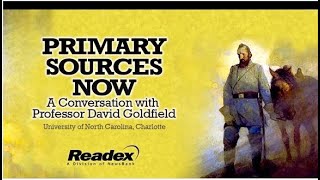
The study of the Civil War is an ongoing academic endeavor. Recently, institutions like Readex engaged with scholars such as David Goldfield, the Robert Lee Bailey Professor of History at the University of North Carolina. Experts like Goldfield argue that the causes of the Civil War were deeply rooted in a failure of political compromise. By analyzing primary sources, students can see how the national conversation shifted from legislative debate to radicalization, ultimately making peaceful resolution impossible.
Integrating these scholarly perspectives into your classroom or personal study helps bridge the gap between academic research and accessible learning. By keeping your eyes open to the nuances of historical places and documents, you can uncover the human elements that drove the nation toward war.
Practical Tips for Teachers and Students
If you are developing a curriculum or preparing for an exam, consider these strategies for a deeper engagement with the material:
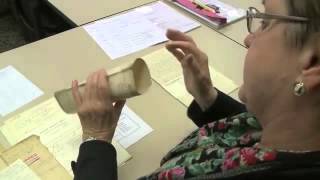
Use Digital Archives: Many universities and historical societies have digitized their collections. Accessing scans of original letters allows you to see the handwriting, edits, and physical state of the documents, which adds a layer of reality to your study.
Compare Opposing Viewpoints: For every pro-secession document you analyze, pair it with an abolitionist tract or a Unionist speech from the same year. This "triangulation" helps you see the broader landscape of American thought in the mid-19th century.
Connect to Local History: Historical places are everywhere. Look for markers, local archives, or old newspapers from your own community that mention the events of the 1860s. Connecting broad national causes to local experiences makes history feel immediate and relevant.
Conclusion
Analyzing the