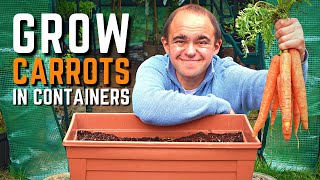
Growing Carrot Early Nantes 2: A Complete Guide to Success
When it comes to home gardening, few vegetables provide as much satisfaction as a crisp, sweet carrot pulled straight from the earth. Among the many cultivars available, the Carrot Early Nantes 2 stands out as a premier choice for both novice gardeners and experienced growers. Known for its cylindrical shape and exceptional flavor, this variety is a staple in organic gardens worldwide.
What is the Early Nantes 2 Carrot?
The Early Nantes 2 is a classic "Nantes-type" carrot. Unlike the long, tapered Chantenay or the slender Imperator varieties, the Nantes type is characterized by a blunt tip and a consistent cylindrical body. This shape makes them easier to harvest and highly appealing for cooking and snacking.
Key characteristics of the Early Nantes 2 include:
- Fast Maturity: As the name suggests, this variety matures quickly, allowing for early harvests.
- Sweet Flavor: High sugar content makes them naturally sweet, even when grown in varying soil types.
- Consistent Texture: They maintain a crunchy, firm texture that holds up well during storage.
- Adaptability: They perform well in a variety of climates, provided the soil is managed correctly.
Overcoming Germination Frustrations
If you have attempted to grow carrots before, you know that the most challenging phase is the beginning. Many gardeners have experienced frustration germinating carrot seeds. Because the seeds are tiny and require consistent moisture to crack the hull, it is common to see "spotty" growth or long gaps in the garden row.
To give your seeds the best chance of success, consider these professional tips:
- Maintain Moisture: Carrot seeds must stay damp from the moment they hit the soil until the first green shoot appears. Using a light layer of peat moss or a burlap sack to cover the row can prevent the surface from drying out.
- Correct Planting Depth: Do not bury the seeds too deep. A depth of 1/4 inch is typically sufficient.
- Patience is Key: Depending on soil temperature, carrots can take anywhere from 7 to 21 days to germinate. Avoid digging in the soil to "check" on them, as this can disturb the delicate roots.
Optimal Growing Conditions
To grow high-quality Early Nantes 2 carrots, you must focus on the environment beneath the surface. Carrots are sensitive to soil compaction and obstacles.
Soil Preparation
The ideal soil for Early Nantes 2 is a loose, sandy loam. If your soil is heavy clay, the carrots may become stunted or "forked" as the root encounters resistance. To fix this, incorporate organic compost or aged manure well before planting. Note: Avoid adding fresh manure immediately before planting, as the high nitrogen levels can cause the roots to split or grow excessively hairy.
Sunlight and Watering
Carrots require full sun—at least six to eight hours per day—to develop their sugars and reach full size. While they need consistent moisture for germination, overwatering once the plant is established can lead to root rot. Aim for deep, infrequent watering that encourages the root to push deeper into the earth.
Maintenance and Care
Growing carrots is largely a game of patience and precision. Once your seedlings have emerged, the most important task is thinning. If the plants are too crowded, the roots will compete for space and nutrients, resulting in thin, spindly carrots.
Thin your Early Nantes 2 seedlings to approximately 2 to 3 inches apart. This ensures each root has the space required to expand into that signature cylindrical shape. Additionally, keep a close eye on the foliage for the carrot rust fly or aphids, treating them with organic neem oil if necessary.
Harvesting and Storage
One of the greatest advantages of the Early Nantes 2 is its versatility in harvesting. You can harvest