What Is a Bossy R Anchor Chart?
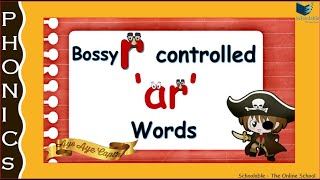
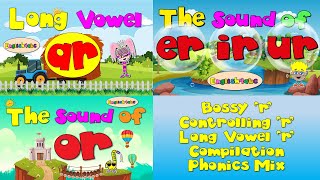
A bossy R anchor chart is a visual reference tool that helps young readers understand how the letter r changes the sound of a vowel when they appear together in a word. Often called r-controlled vowels, these vowel teams include ar, er, ir, or, and ur. When the letter r sits right after a vowel, it becomes "bossy" and forces the vowel to make a completely different sound than its usual name. For many early learners, this concept can feel confusing without a clear visual guide, which is exactly why an anchor chart proves so valuable in the classroom.
The chart typically displays each r-controlled vowel combination alongside sample words, pictures, and phonetic breakdowns. Teachers hang these charts at eye level so students can independently refer to them during reading and writing practice. The visual reinforcement supports diverse learners, including English language learners and students who benefit from repeated exposure to phonics patterns.
Why Use an Anchor Chart for R-Controlled Vowels?
Anchor charts serve as a bridge between explicit instruction and independent practice. Rather than relying solely on worksheets or memorization, students have a permanent, student-friendly resource they can return to again and again. This is especially important for r-controlled vowels because the sounds do not follow the typical short or long vowel rules, making them one of the trickier syllable types for beginning readers to decode.
Creating a bossy R anchor chart also gives teachers a moment to assess prior knowledge. When students contribute words or examples to the chart, you gain insight into what they already recognize and where gaps might exist. This formative data helps you plan targeted small-group instruction moving forward.
Additionally, collaborative chart creation builds ownership. When students help write words or draw illustrations on the chart, they are more likely to remember the content later. The act of co-constructing the anchor chart reinforces learning in a way that a pre-made poster simply cannot replicate.
Key R-Controlled Vowel Sounds to Include
A comprehensive bossy R anchor chart should cover the five most common r-controlled vowel combinations. Each one has a distinct sound that students must learn to identify and produce.
- Ar: Produces the /är/ sound, as in car, mars, farm, and party. This is often the first r-controlled pattern introduced because it appears frequently in early decodable texts.
- Er: Produces the /ər/ sound, as in her, verb, serve, and fern. This pattern is sometimes considered the most challenging because the sound is central rather than clearly forward or back in the mouth.
- Ir: Produces the same /ər/ sound as er, as in bird, fir, skirt, and milk. Highlighting the sound match between er and ir helps students see connections across patterns.
- Or: Produces the /ör/ sound, as in fork, corn, horse, and storm. Visual contrasts with the short o sound in words like hop or pot can strengthen discrimination skills.
- Ur: Also produces the /ər/ sound, as in turn, nurse, hurt, and purse. Grouping ur with er and ir allows students to recognize three spellings that share one sound.
How to Create and Use a Bossy R Anchor Chart in the Classroom
Building the chart is most effective when done step by step over several lessons rather than all at once. Start by introducing one r-controlled vowel combination per session. Write the pattern in large letters at the top, model the sound explicitly, and then invite students to brainstorm example words. Add those words to the chart and consider including simple illustrations next to them.
Once the chart is complete, reference it daily during reading and writing workshops. Point to specific patterns as students encounter them in books. During guided reading, ask students to underline r-controlled vowel words and explain what sound they heard. In writing time, encourage them to incorporate at least one r-controlled word into their sentences and cross-reference the anchor chart for spelling support.
Repetition across modalities strengthens retention. Pair the anchor chart with phonics songs, word sorts, flashcard games, and interactive activities. The visual anchor works best when it is surrounded by multi-sensory reinforcement rather than standing alone as a static poster.
Extending Learning Beyond the Anchor Chart
Anchoring instruction to a chart is only the beginning. To deepen mastery, integrate r-controlled vowel practice into morning routines, literacy centers, and homework extensions. Word sort activities are particularly effective—students categorize r-controlled words by pattern, compare them to non-r-controlled counterparts, and discuss the differences aloud.
Phonics songs and chants can also support memory retention, especially for auditory learners. Setting r-controlled vowel words to a melody helps students internalize pronunciation patterns through rhythm and repetition. You can create your own classroom chant or use existing resources designed specifically for this purpose.
For families wanting to reinforce learning at home, share a copy or photo of the anchor chart along with simple tips for practicing bossy R words during everyday activities such as reading together, cooking, or playing word games.
Final Thoughts
A well-designed bossy R anchor chart is more than classroom decoration—it is an instructional powerhouse. By giving students a clear, persistent visual reference for r-controlled vowel patterns, you empower them to decode unfamiliar words with confidence and accuracy. Combine the chart with explicit modeling, frequent practice, and engaging multisensory activities, and you create a solid foundation for early reading success.
```