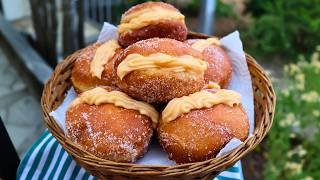
Bola de Berlim: The Traditional Guava-Filled Delight
The Bola de Berlim, often referred to as a Berlin doughnut or "sonho de padaria" in some regions, is more than just a pastry; it is a cultural icon. Famous for its presence on the sun-drenched beaches of Portugal and in the bustling bakeries of Brazil and Angola, this treat is beloved for its soft texture, sugary coating, and rich, creamy filling.
Whether you are looking for a nostalgic taste of a summer vacation or a professional-grade dessert to start a small business (renda extra), mastering the Bola de Berlim is a rewarding culinary journey. These doughnuts are characterized by being fluffy, creamy, and possessing an unmistakable flavor that is recognized worldwide.
What Exactly is a Bola de Berlim?
A Bola de Berlim is a yeast-leavened fried doughnut. Unlike American-style doughnuts, which often have a hole in the center, the Berlin style is a solid ball of dough. This structure allows the pastry to be injected with a generous amount of filling after frying.
While there are many variations, the most traditional fillings include:
- Guava Paste (Goiabada): A favorite in Brazil and Portugal, providing a sweet and tangy contrast to the fried dough.
- Pastry Cream: A smooth, vanilla-infused custard that adds a luxurious creaminess.
- Chocolate: A modern twist that appeals to all ages.
Essential Ingredients for the Perfect Dough
To achieve that signature "cloud-like" consistency, you need a balance of fats, leavening agents, and moisture. While recipes may vary slightly, the core components typically include:
- Strong Flour: To provide the necessary structure.
- Fresh Yeast: Essential for the rise and the characteristic airy pockets.
- Milk and Butter: These ingredients ensure the dough remains tender and rich.
- Eggs: For binding and adding a golden hue to the finished product.
- Sugar: To sweeten the dough and assist in the fermentation process.
Step-by-Step Guide to Making Bola de Berlim
Creating these doughnuts requires patience, particularly during the proofing stages. Follow these general steps to ensure success:
1. Preparing the DoughBegin by activating your yeast in warm milk with a pinch of sugar. Gradually incorporate the flour and eggs, kneading the mixture until it becomes smooth and elastic. Finally, work in the softened butter, kneading until the dough no longer sticks to your hands. This process develops the gluten, which is crucial for the doughnut's height.
2. First ProofingPlace the dough in a lightly oiled bowl and cover it with a damp cloth. Let it rise in a warm, draft-free area until it has doubled in size. This stage allows the yeast to produce the carbon dioxide that makes the Bola de Berlim so fluffy.
3. Shaping and Second ProofingOnce risen, degas the dough gently and divide it into small, equal-sized balls. Place them on a baking tray with parchment paper and let them rise a second time. This ensures the doughnuts stay light after they hit the hot oil.
4. Frying to Golden PerfectionHeat vegetable oil to approximately 170°C (340°F). Carefully slide the dough balls into the oil. Fry each side until they reach a deep golden brown. Tip: Avoid overcrowding the pan to maintain a constant oil temperature, which prevents the doughnuts from absorbing too much grease.
5. Coating and FillingWhile still warm, roll the doughnuts in granulated sugar. Once they have cooled slightly, use a piping bag with a narrow nozzle to inject guava paste or pastry cream into the center until the doughnut feels heavy and full.