Analyzing the Most Iconic Al Pacino Scarface Scenes
Released in 1983, Scarface remains a cornerstone of crime cinema, largely due to the electric performance of Al Pacino as Tony Montana. The film tracks the meteoric rise and inevitable fall of a Cuban refugee who transforms himself into a powerful drug lord in Miami. While the movie is filled with high-tension moments, certain scenes have transcended the film to become cultural touchstones.
The Philosophy of Excess: Tony and Manny
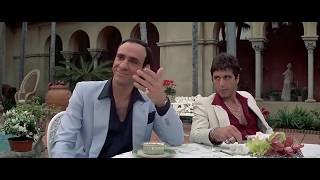
One of the most poignant scenes in the film occurs not during a shootout, but during a moment of domestic tension between Tony Montana and his closest confidant, Manny Ray. In this sequence, Tony confronts Manny about his lack of ambition and his surrender to hedonism.
Tony’s dialogue in this scene highlights the central conflict of his character: the relentless pursuit of "more." He asks Manny, "Is this it? That's what it's all about, Manny? Eating, drinking, fucking, sucking? Snorting? Then what?"
This interaction serves as a critical piece of character development. It shows that despite his wealth and power, Tony is perpetually dissatisfied. He views Manny's contentment as a weakness, illustrating that Tony's drive is not just about money, but about a pathological need for dominance and legacy.
The High-Stakes Betrayal: Tony and Alejandro Sosa
As Tony Montana reaches the pinnacle of his power after eliminating Frank Lopez, he enters a dangerous partnership with the Bolivian drug kingpin Alejandro Sosa. The scenes involving Sosa represent a shift in the film's power dynamics. While Tony is the king of Miami, he is a small fish compared to Sosa’s international empire.
The tension peaks during their high-stakes meetings in Bolivia. The turning point occurs when Tony’s moral code—however skewed—clashes with Sosa’s cold pragmatism. When Tony refuses to carry out a hit on a political target, the relationship disintegrates instantly.
The chilling delivery of the line, "Don't fuck me, Tony. Don't you ever try to fuck me," marks the beginning of Tony's downfall. This scene is essential because it strips away Tony's illusion of invincibility, proving that there is always a larger, more ruthless predator in the criminal underworld.
The Climax: The "Push It to the Limit" Mentality
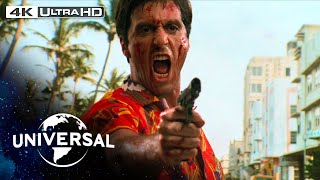
The final act of Scarface is defined by the suffocating Miami heat and the fire of Tony’s paranoia. The concluding sequence, often referred to as the "final stand," is one of the most significant action set-pieces in cinema history.
As Sosa's assassins storm Tony's mansion, the scene transforms from a crime drama into a tragedy. Tony, armed with an M16 and fueled by cocaine, faces an entire army. This scene encapsulates the "Push It to the Limit" mentality that drove Tony throughout the film. He chooses to go out in a blaze of glory rather than surrender, embodying the destructive nature of the American Dream when pursued through violence and greed.
Why These Scenes Endure
The longevity of these Al Pacino scenes can be attributed to several factors:
- Dynamic Acting: Pacino’s use of a thick Cuban accent and explosive mannerisms created a larger-than-life persona.
- Thematic Depth: The scenes explore themes of greed, betrayal, and the emptiness of material success.
- Visual Storytelling: The contrast between the opulent gold decor of the mansion and the violent bloodshed creates a powerful visual irony.
Whether it is the quiet, cynical conversations with Manny or the explosive confrontations with Sosa, the scenes in Scarface provide a masterclass in character study. Tony Montana remains a cautionary tale of how uncontrolled ambition can lead to total isolation and eventual destruction.