The Chemistry of Al Pacino and Michelle Pfeiffer in Frankie and Johnny
When cinema fans discuss the most compelling on-screen pairings, the collaboration between Al Pacino and Michelle Pfeiffer often surfaces. While both actors have vast filmographies filled with iconic roles, their work together in the 1991 film Frankie and Johnny stands as a testament to their ability to handle intimate, character-driven storytelling.
Released under Paramount in 1991, Frankie and Johnny is a romantic drama that diverges from the high-intensity crime thrillers often associated with Al Pacino. Instead, it offers a grounded, vulnerable look at two people attempting to overcome their past traumas to find love in New York City.
From Stage to Screen: The Origins of the Story
The film is based on Terrence McNally's acclaimed stage play, Frankie and Johnny in the Clair de Lune. In its original theatrical form, the story was a tight, two-character piece that relied heavily on dialogue and emotional pacing. Notable performances in the stage version included Kathy Bates, who helped establish the raw, honest tone of the narrative before it was adapted for a global cinema audience.
The transition from stage to screen allowed the story to expand beyond a single setting, but it maintained the core essence of the play: the slow, tentative build-up of trust between two guarded individuals.
Character Dynamics and Performances
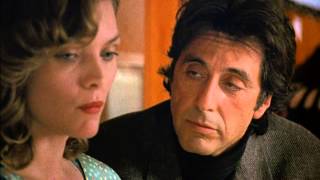
In the movie, Al Pacino plays Johnny, a man who has spent years retreating from the world, living a quiet and somewhat isolated existence. Pfeiffer portrays Frankie, a woman who has been burned by previous relationships and is hesitant to open her heart again. The strength of the film lies in how Pacino and Pfeiffer navigate this tension.
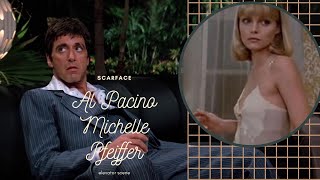
- Al Pacino's Restraint: Known for his explosive energy in films like Scarface, Pacino delivers a more subdued, soulful performance here, showcasing his range in romantic drama.
- Michelle Pfeiffer's Vulnerability: Pfeiffer balances strength and fragility, making Frankie's journey toward trust feel authentic and earned.
The Significance of "Clair de Lune"
As suggested by the title of the original play, the music of Claude Debussy plays a pivotal role in the narrative. The scenes featuring Clair de Lune serve as emotional anchors for the film. This piece of music symbolizes the beauty and fragility of the connection between Frankie and Johnny.
The use of the composition elevates the atmosphere, shifting the mood from the gritty reality of their daily lives to a space of romantic possibility. It is during these quiet, melodic moments that the characters are most honest with one another, allowing the audience to feel the weight of their unspoken desires.
Analyzing the Last Scene
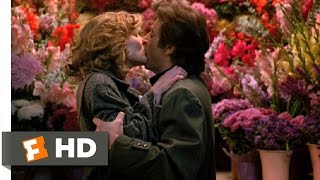
The climax and the last scene of Frankie and Johnny are often cited as the most memorable parts of the film. After a series of misunderstandings and emotional hurdles, the resolution provides a sense of catharsis. The final moments avoid overly cinematic clichés, instead opting for a realistic portrayal of two people deciding that the risk of love is worth the potential for pain.
This conclusion solidifies the film's message: that healing is possible, provided one is brave enough to be vulnerable. The chemistry between Pacino and Pfeiffer reaches its peak here, leaving the audience with a lingering sense of hope.
Legacy of the Al Pacino and Michelle Pfeiffer Pairing
While Frankie and Johnny may not have the blockbuster scale of other 1991 releases, it remains a favorite for those who appreciate nuanced acting. It proves that Al Pacino and Michelle Pfeiffer did not need explosions or high-stakes plots to captivate an audience; their combined talent and natural chemistry were sufficient to carry the film.
For fans of classic romantic dramas, this movie serves as a reminder of the power of simple storytelling. It transforms a two-person stage play into a cinematic experience that explores the complexities of the human heart with grace and sincerity.