Analyzing Al Pacino's Best Scene in The Godfather
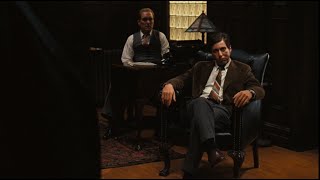
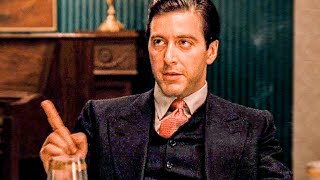
Few cinematic transformations are as profound as the evolution of Michael Corleone. In The Godfather, Al Pacino delivers a masterclass in understated acting, transitioning from a reluctant war hero to a cold, calculating mafia don. While the trilogy is filled with iconic moments, determining the Al Pacino Godfather best scene requires looking at the psychological shift of the character.
The Turning Point: The Restaurant Scene
Many critics and fans agree that the scene in the Italian restaurant is the definitive moment for Michael Corleone. This sequence is one of the most tense and psychologically brilliant conversations in the film. It marks the exact point where Michael ceases to be an outsider and fully embraces his family's violent legacy.
The brilliance of Pacino's performance here lies in the silence. As Michael sits across from Sollozzo and Captain McCluskey, the audience sees the internal struggle playing out on his face. The slow build-up of tension, the sound of the train in the background, and the sudden, violent eruption of action create a visceral experience. This scene is not just about the hits; it is about the death of Michael's innocence.
The Philosophy of Power: "It's Not Personal"
As the story progresses, Michael's leadership style differs significantly from that of his father, Vito Corleone. While Vito operated on a code of respect and kinship, Michael operates on logic and strategic elimination. A recurring theme in his dialogue is the separation of emotion from business, epitomized by the phrase, "It's not personal."
This mindset is evident in the scenes where Michael manages the Corleone empire's transition. Watching Michael Corleone grow into a leader is a study in the corrupting nature of power. He becomes a man who can order the death of his own kin with a steady voice and a blank stare, proving that he has mastered the "family business" perhaps too well.
The Contrast Between Marlon Brando and Al Pacino
The chemistry between Marlon Brando and Al Pacino provides the emotional backbone of the first film. Brando's Vito is a man of warmth and gravity, whereas Pacino's Michael becomes a figure of ice and precision. The scenes where the father passes his wisdom to the son are essential for understanding Michael's trajectory.
- The Guidance: Vito teaches Michael that the most dangerous man is the one who keeps his intentions secret.
- The Burden: Michael accepts the weight of the family name, realizing that his education and war record cannot shield him from his destiny.
- The Execution: By the end of the first film, Michael has surpassed his father in terms of ruthlessness.
Why These Scenes Endure
The reason these scenes remain relevant decades later is the authenticity of the acting. Al Pacino does not rely on shouting or grand gestures to convey power; he uses his eyes and his posture. Whether he is responding to an insult with a calculated gaze or orchestrating a mass execution of his rivals, the performance is grounded in a terrifying realism.
For those looking to relive these moments in the highest quality, the epic trilogy is available on 4K Ultra HD and Digital. Seeing the subtle facial expressions of Pacino in high definition adds a new layer of depth to his performance, highlighting the minute shifts in emotion that define Michael Corleone.
Conclusion: The Legacy of Michael Corleone
While there are many contenders for the best scene, the restaurant sequence stands as the pinnacle of Al Pacino's work in the series. It is the bridge between the man Michael was and the monster he became. Through these performances, The Godfather transcends the gangster genre to become a timeless tragedy about family, loyalty, and the cost of power.