Al Pacino and the Isolation of Michael Corleone
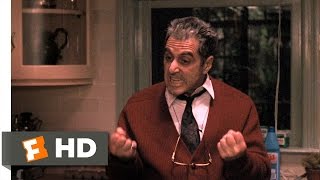
In the cinematic landscape of The Godfather trilogy, few character arcs are as devastating or as meticulously crafted as that of Michael Corleone. While the series is celebrated for its depiction of family loyalty and the mechanics of organized crime, the true emotional core of the story is the gradual isolation of the protagonist. Al Pacino’s portrayal of Michael provides a masterclass in how power can alienate an individual, eventually leaving them entirely alone.
The Transformation from Outsider to Patriarch
At the beginning of the first film, Michael Corleone is the family outsider. He is a war hero with aspirations beyond the "family business," distancing himself from the violence of his father, Vito Corleone (played by Marlon Brando). However, the narrative trajectory of the trilogy is defined by Michael's inevitable pull back into the fold.
Seeing Michael Corleone grow into a leader is as good as movies get. Pacino captures this transition not through loud outbursts, but through a tightening of his demeanor. As Michael assumes the role of Don, his eyes become colder, and his dialogue becomes more calculated. The very leadership qualities that make him successful—his strategic mind and ruthlessness—are the same traits that begin to carve a void between him and everyone he loves.
The Cost of Power: Breaking Family Ties
The central irony of The Godfather is that Michael commits atrocities in the name of protecting his family, yet those same actions destroy the family unit. The isolation is not sudden; it is a slow erosion of trust and intimacy.
- The Betrayal of Trust: Michael’s willingness to eliminate rivals and eventually his own kin creates a wall of fear.
- The Loss of Innocence: The transition from the idealistic young man to the cold patriarch removes his ability to connect with others on a human level.
- The Weight of the Crown: As the head of the Corleone empire, Michael cannot afford vulnerability, which is the prerequisite for genuine companionship.
The Tragic Dynamic with Kay Adams
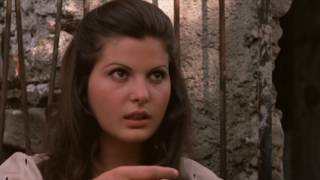
The relationship between Michael and Kay (Diane Keaton) serves as the primary barometer for Michael's loneliness. In the early scenes, Kay represents a world of legitimacy and love. However, as Michael descends deeper into the underworld, Kay becomes a stranger in her own home.
One of the most poignant aspects of their relationship is the silence that grows between them. In several key scenes, the dialogue is minimal, but the tension is palpable. When Kay eventually leaves him, it is not just a marital failure; it is the symbolic death of Michael's connection to the "normal" world. By the time the trilogy concludes, Michael has achieved total dominion over his empire, but he has lost the only person who truly knew the man he used to be.
The Finality of Solitude
The conclusion of the saga emphasizes the theme of being "alone" in a way that is visually and emotionally haunting. Despite being surrounded by subordinates and "soldiers," Michael is utterly isolated. The power he fought so hard to maintain becomes his prison.
Al Pacino’s performance in the final acts of the trilogy emphasizes a man haunted by his choices. The silence that once signaled strength now signals emptiness. The tragedy of Michael Corleone is that he won every battle but lost the war for his own soul.
Experience the Legacy in High Definition
The nuance of Al Pacino’s performance—the subtle shifts in expression and the heavy silences—is best appreciated in the highest quality possible. To fully immerse yourself in the atmospheric tension and the epic scale of this tragedy, you can bring home the epic trilogy on 4K Ultra HD and Digital. This restoration allows viewers to see every detail of the Corleone saga, from the dimly lit offices of the Don to the desolate landscapes of Michael's final days.
The Godfather remains a definitive study of the American Dream turned nightmare, proving that the highest peak of power is often the loneliest place to