Mastering Acrostic Poems for Summer: A Creative Guide
Welcome to a poetic journey through the brightest season of the year. Whether you are a teacher looking for a classroom activity or a parent seeking a rainy-day project, acrostic poems for summer offer a fantastic way to blend literacy with imagination. This is one of those really cool writing exercises that allows children and adults alike to describe their favorite memories, smells, and sights using a structured yet flexible format.
What is an Acrostic Poem?
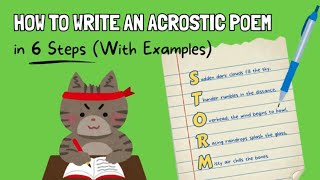
An acrostic poem is a type of poetry where the first letter of each line spells out a specific word or phrase when read vertically. Unlike traditional poetry, acrostics do not have to rhyme, nor do they need to follow a strict meter. This makes them the best entry point for beginning writers who may feel intimidated by the rules of formal verse.
For example, if you use the word "SUN," each line must begin with S, U, and N. The content of the lines describes the theme of the word, creating a vivid image of a sunny day.
How to Write an Acrostic Poem for Summer
Writing an acrostic is a straightforward process. To write an acrostic poem, follow these simple steps:
- Choose Your Keyword: Select a word related to the season. While "SUMMER" is the most obvious choice, you could also use "BEACH," "VACATION," "ICE CREAM," or "SUNSHINE."
- Write the Word Vertically: Write your chosen word downward on the page, leaving plenty of space between each letter.
- Brainstorm Associations: Before writing, list words or phrases that remind you of summer. Think about the heat, the sound of cicadas, the taste of watermelon, and the feeling of sand between your toes.
- Fill in the Lines: Start each line with the designated letter. You can use a single word, a short phrase, or a full sentence.
Once you have completed these steps, you have successfully created your poem. It is as simple as that—write it this way and that's your acrostic!
Creative Ideas for Summer Themes
To keep the creative juices flowing, try experimenting with different perspectives. Instead of just describing the season, try these variations:
- Sensory Acrostics: Focus each line on a different sense. For "SUMMER," the 'S' could be for the smell of sunscreen, and the 'U' could be for the ultraviolet glare of the sun.
- Activity-Based Poems: Use a word like "SWIMMING" to describe the physical sensation of diving into a cool pool.
- Emotional Reflections: Use the poem to describe how summer makes you feel—perhaps using words like "JOY" or "RELAXED."
Integrating Acrostics into the Classroom
Educators have long used acrostics to engage students in descriptive writing. One notable example of this was the 2019 first grade stop motion summer acrostic poems project, where students combined writing with technology to animate their words. This multidisciplinary approach helps students visualize their poetry while practicing their spelling and vocabulary.
To help your students get started, providing a structured layout is key. You can find a printable worksheet here: https://bit.ly/3MUw45M or download the digital-only version here: https://bit.ly/3qsfnan. Using a worksheet helps younger children organize their thoughts and ensures they maintain the vertical alignment required for the acrostic format.
Why Acrostic Poetry is Beneficial for Learners
Enjoy this fun and creative way to build language skills. Acrostic poems provide several educational benefits: